









Dental Bonding in Atlanta, GA
A tooth-colored resin that repairs chips, gaps and discoloration in one visit, with no lab work and little to no enamel removed.
What is dental bonding, and how does it work?
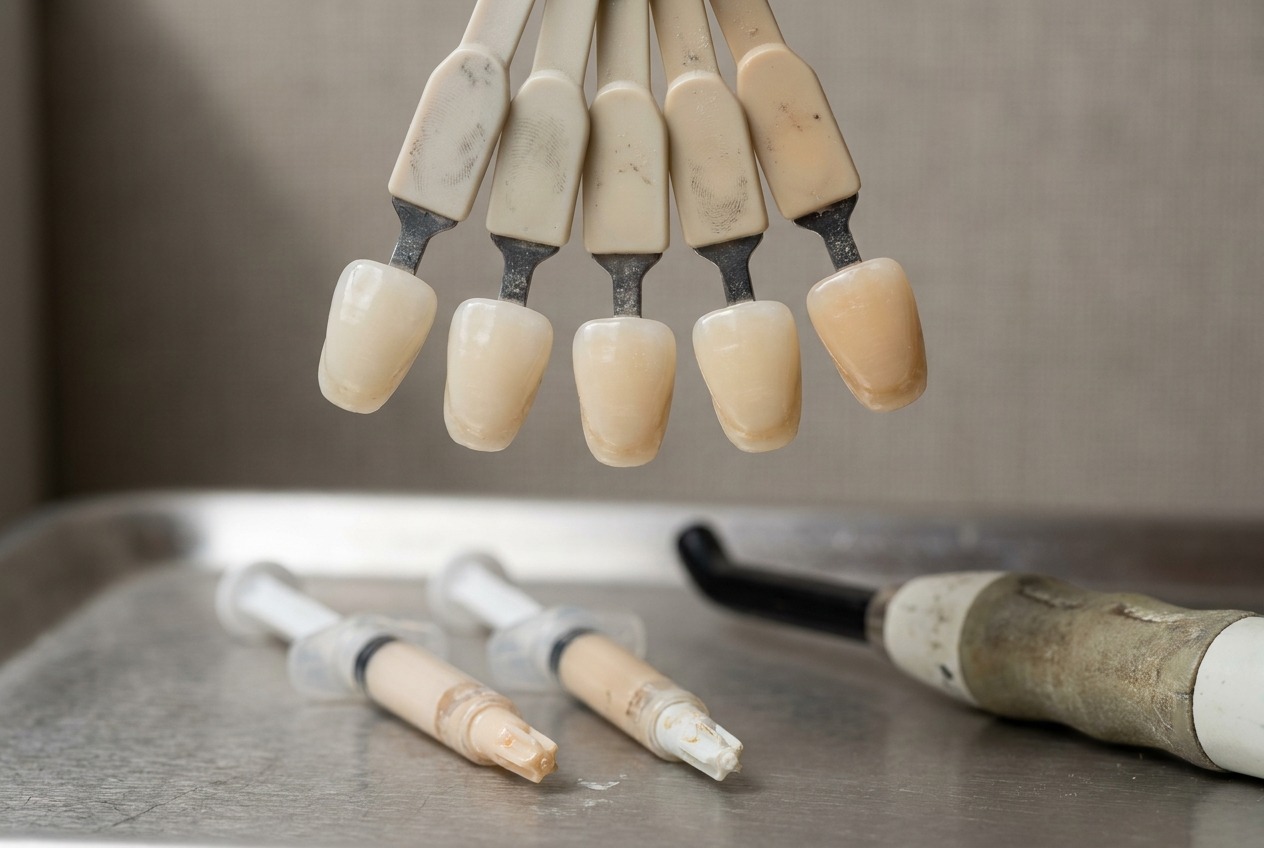
Dental bonding is a tooth-colored composite resin applied straight to a tooth, sculpted by hand to match its natural shape, then hardened with a curing light and polished. ANEWU uses it to repair chips, close small gaps and cover stains, usually in one visit without removing enamel.
A repair shaped by hand, chairside.
Designed, placed and finished in the chair, with nothing sent to a lab.
Composite resin arrives as a soft putty in a range of enamel shades. Your shade is chosen against the teeth either side first, because a bonded edge one step too bright reads as a repair rather than a tooth.
It is layered on, shaped by hand to rebuild the lost contour, then set with a curing light. Polishing is the final pass, and it is what gives the surface the same light reflection as enamel. The result follows the hand shaping it, which is why bonding sits inside our cosmetic dentistry program.
Am I a candidate for dental bonding?
You are likely a candidate for dental bonding if one or two teeth are chipped, worn or separated by a small gap, and the tooth underneath is healthy. Bonding suits targeted repairs rather than whole-smile redesigns. Your dentist confirms the fit at a free consultation in Buckhead, Cumming or Dawsonville.
- One or two teeth chipped, cracked at the edge or worn
- A small gap between front teeth you would like closed
- One tooth reads darker and whitening has not matched it
- You want it finished in a single appointment
- You would rather not have healthy enamel reshaped
- The area you want changed is small and specific
If the change runs across the whole smile, a coordinated smile makeover is the better start.
What happens during a bonding appointment, step by step?
A bonding appointment runs in four stages: shade matching, resin application, curing and polishing. Most single-tooth cases are finished in one sitting and need no anesthetic, because there is usually no drilling into the tooth. You leave with the repair complete and no second visit booked.
- 1
Consultation and shade match
The tooth is examined and the shade matched against the enamel beside it.
- 2
Resin application
The surface is prepared, the resin applied straight to the tooth, then shaped by hand.
- 3
Curing and polishing
A curing light hardens the resin, then polishing matches the finish of the tooth beside it.
- 4
Walk out the same day
No lab impression, no temporary. What to expect at your first visit covers the rest.
Dental bonding compared with veneers and crowns.
Three materials, three different problems.
| Compare | Dental bonding | Porcelain veneers | Porcelain crowns |
|---|---|---|---|
| What it is | Composite resin shaped by hand | A porcelain shell on the tooth front | A porcelain cap over the tooth |
| Suited to | Minor chips, small gaps, worn edges | Shape, color and spacing up front | A damaged or heavily worn tooth |
| Visits needed | Usually 1 | Typically 2 | Typically 2 |
| Enamel involved | Little to none | A thin layer reshaped | Prepared all round |
| Reversible | Usually yes | No | No |
| How long it lasts | 3 to 10 years | Many years with good care | Built to carry the bite |
If the change runs across several front teeth rather than one edge, start instead with porcelain veneers.
What if my chip is too large for bonding?
If a large portion of the tooth is missing, or the tooth is weak from a crack or an old restoration, composite resin cannot carry the bite on its own and a porcelain crown is the more durable repair. An exam and a 3D scan settle which your tooth needs.
Bonding handles small to moderate chips well, and that is the honest edge of it. The resin sits on the outside of the tooth, so it leans on the structure underneath staying sound.
When the tooth needs more than an edge repair, a porcelain crown covers it and carries the bite away from the damage.
How to keep bonding looking new.
Composite is more porous than porcelain, so habits decide how long a repair stays invisible.
- Coffee, tea, wine and tobacco stain composite faster than porcelain
- Regular cleanings lift surface stain before it settles in
- Keep nails, pens and ice away from a bonded edge
- Whitening gel does not lighten composite, so whiten first
That last point is the one patients learn too late. Finish professional teeth whitening before any resin is shaped.
How much does dental bonding cost in Atlanta?
Dental bonding cost at ANEWU depends on how many teeth are treated and how much of each tooth is rebuilt. Bonding is among the less expensive cosmetic options because there is no lab fee. Cosmetic bonding is usually not covered by insurance, so ANEWU accepts CareCredit and Proceed Finance.
If the bonding repairs damage from an injury or decay rather than changing a healthy tooth, some plans treat it differently, and our billing team checks yours first.
Monthly payment plans can be set up beforehand, and we accept Visa, MasterCard and Discover. The full picture of payment and financing options is laid out ahead of treatment.
Can a chipped front tooth be fixed in one visit?
Yes, in most cases. Because the resin is shaped in the chair and hardened on the spot with a curing light, a chipped front tooth is finished before you leave. Nothing is sent to a lab. A chip deep enough to expose the inner tooth is the exception.
If you have ever wondered whether a chipped front tooth has to mean a crown and weeks of waiting, for a small chip it usually means neither.
A chipped edge does tend to keep chipping, because the enamel around the break is already stressed, so rebuilding it early keeps the repair small. See finished work in our patient stories.

Bonding is shaped chairside by our cosmetic dentistry team.
Cosmetic dentistry, oral surgery and facial aesthetics sit under one roof at ANEWU.
The resin is applied and shaped in one visit, with the shade matched by eye. You can meet the ANEWU team before you book.
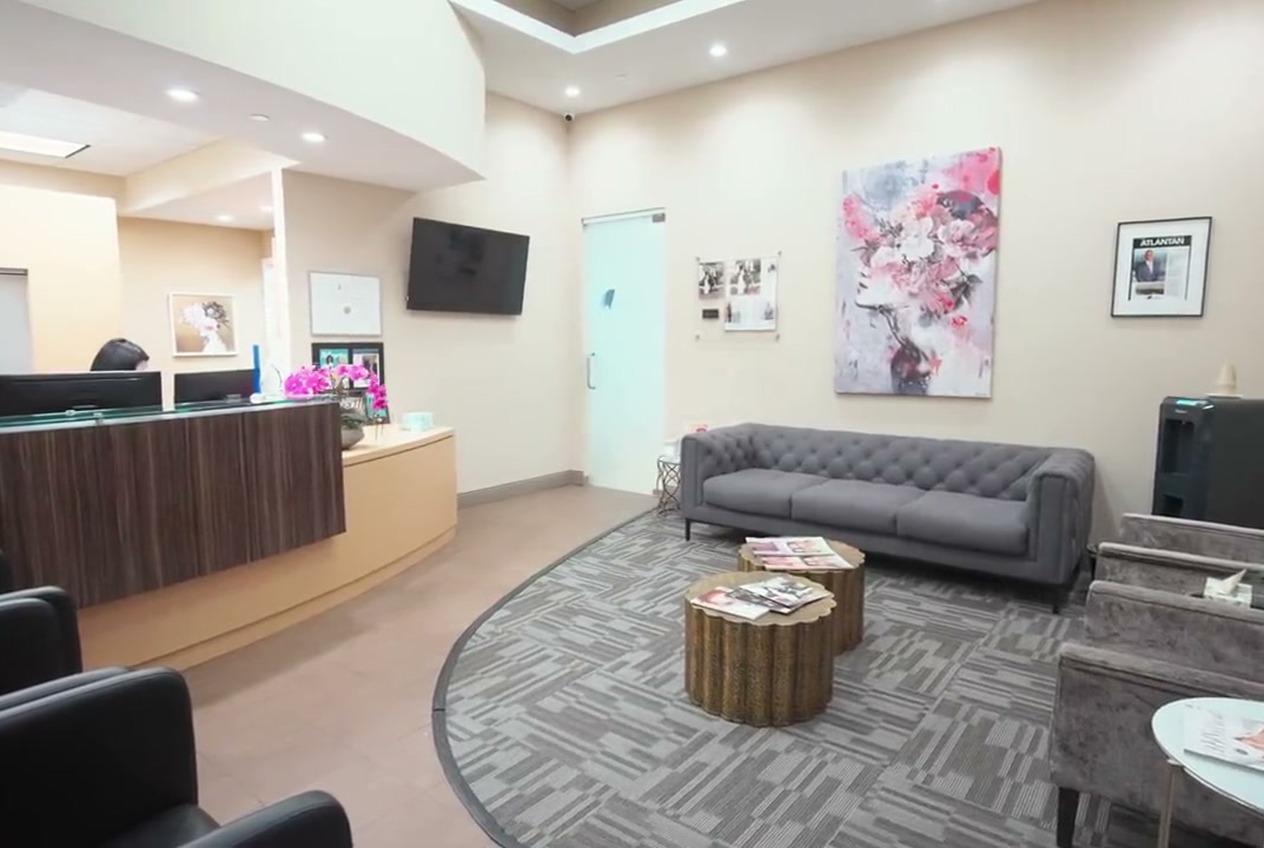
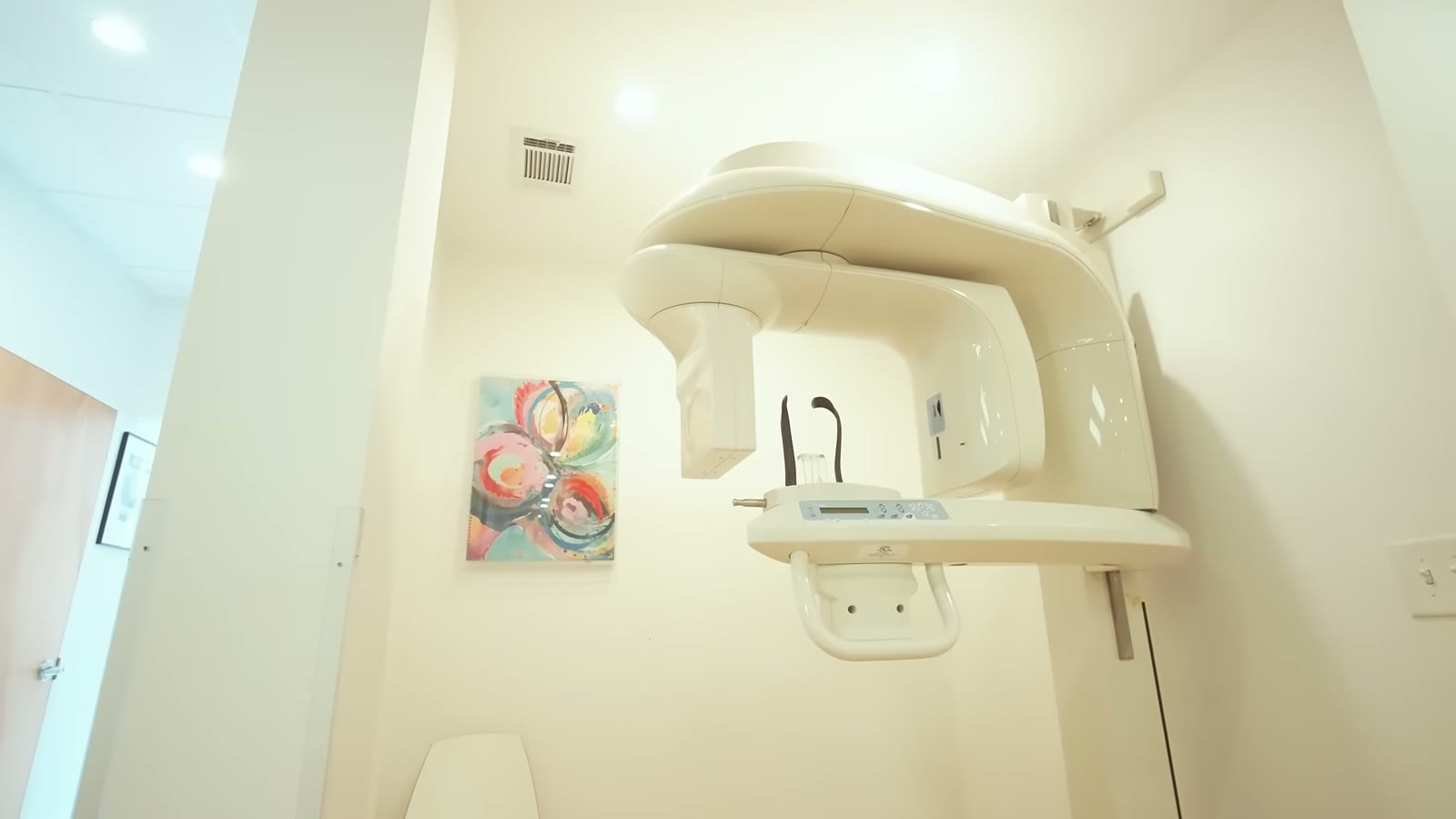
To see the rooms first, take the office tour.
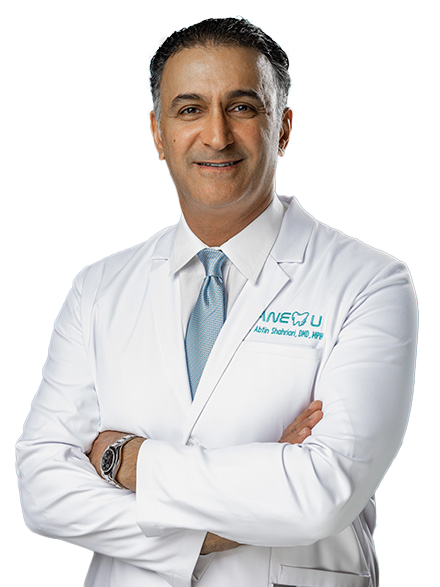
Dr. Abtin Shahriari, DMD, MPH
Oral surgeon specializing in implant dentistry
Eight years of specialty training, including the University of Pennsylvania and Emory University.
Last updated September 2026 Read the full bioBonding typically lasts 3 to 10 years, depending on which teeth were treated and how they are used. Front teeth used for biting may need a touch-up sooner.
Composite picks up staining from coffee, tea, wine and tobacco more than porcelain does. Regular cleanings and lighter staining habits help it last.
Bonding removes little to no natural enamel, so in most cases the tooth underneath is unchanged if the bonding is later removed or replaced.
Most bonding is done without anesthetic, since there is usually no drilling into the tooth. Patients describe it as quick and comfortable.
A same-day fix is closer than you think.
One chipped tooth, or a smile you have been meaning to deal with. Bring it in and we will tell you plainly what it needs.
Reviewed by Dr. Abtin Shahriari, oral surgeon specializing in implant dentistry. Last updated September 2026.