



TMJ and TMD Treatment in Atlanta, GA
TMJ and TMD treatment at ANEWU addresses the muscle tension, clenching and joint discomfort behind jaw pain, headaches and clicking, with options that range from Botox to a full evaluation of the jaw joint itself.
What is TMJ, and what is TMD?
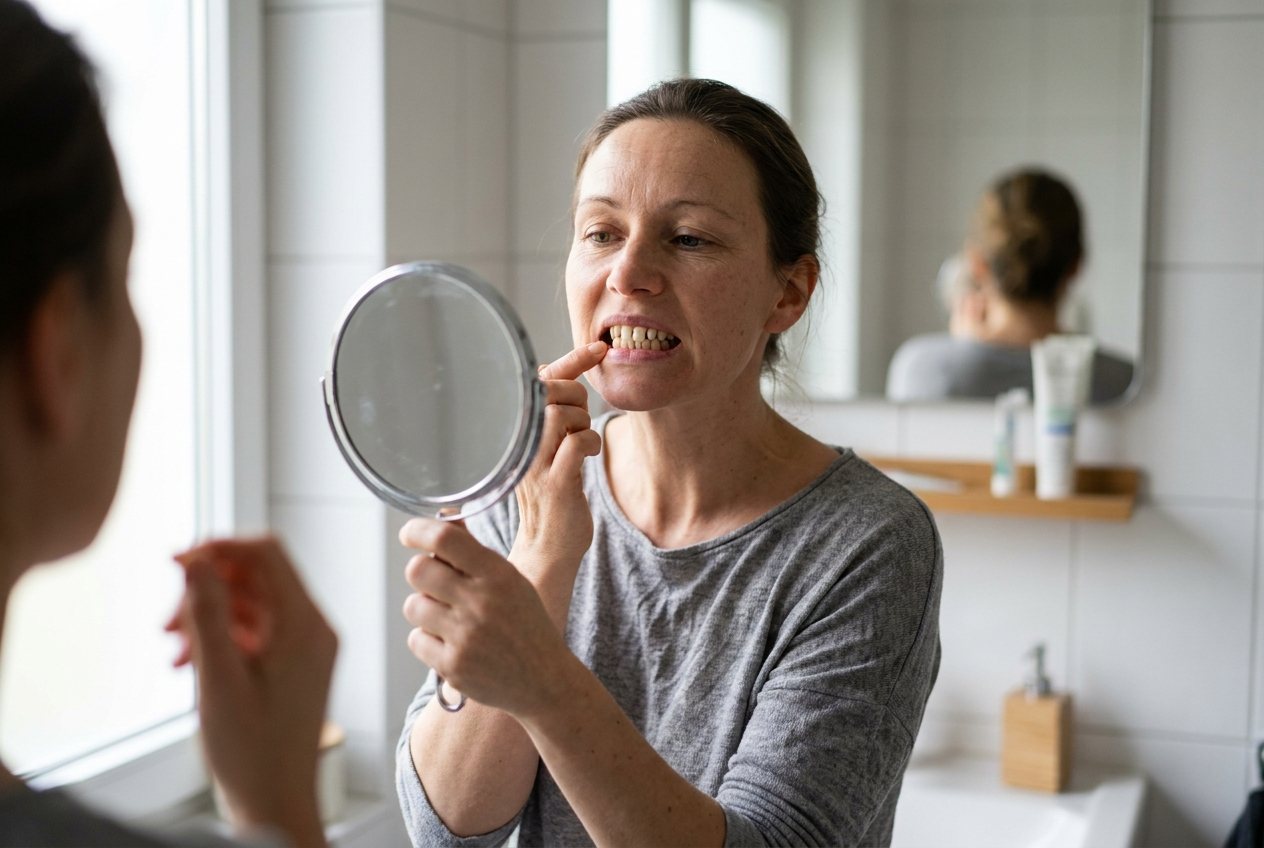
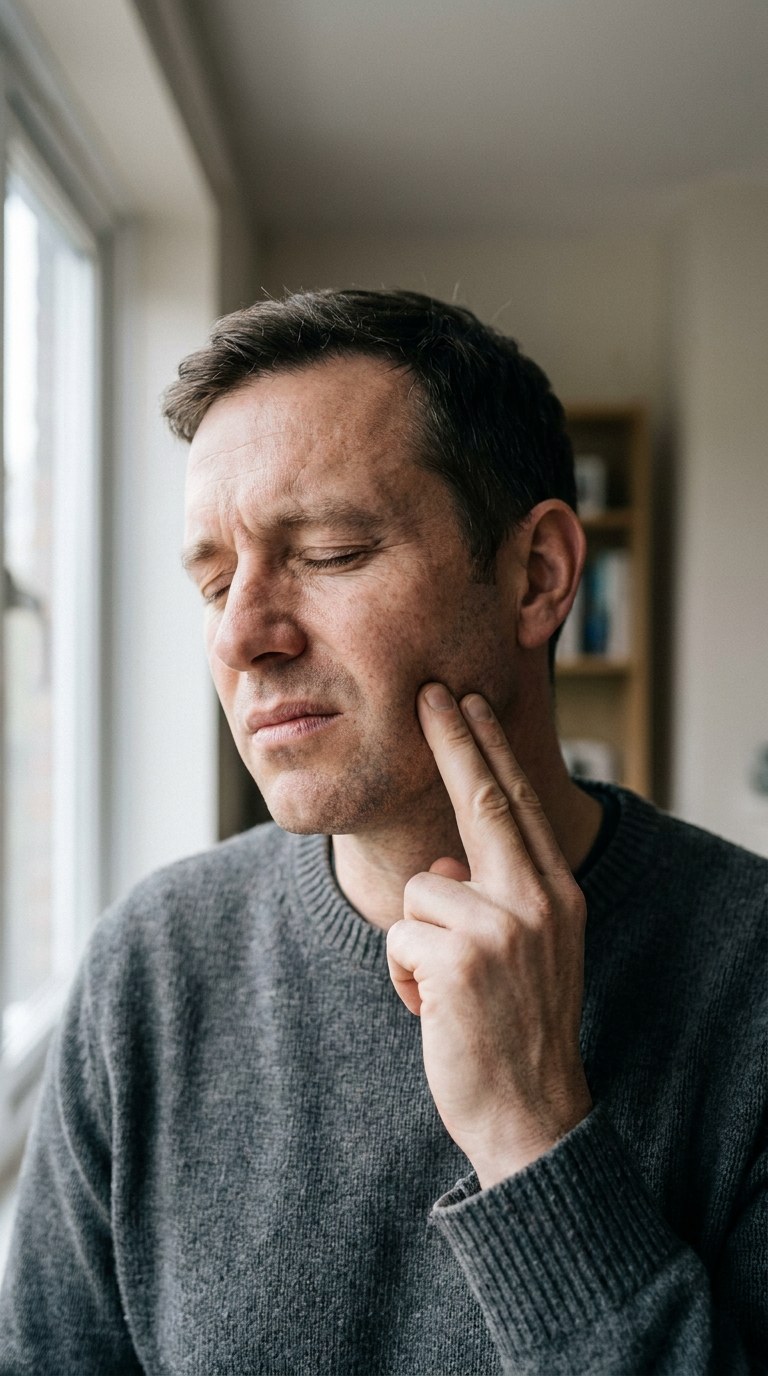
TMJ refers to the temporomandibular joint, the hinge connecting your jaw to your skull. TMD refers to a disorder of that joint or the muscles around it. Symptoms include jaw pain, clicking, limited opening, tension headaches and clenching. ANEWU evaluates both the muscles and the joint before recommending treatment.
One symptom, more than one possible cause.
TMJ and TMD cover a group of problems with the jaw joint and the muscles around it, and they rarely trace back to a single cause. Clenching, grinding, an uneven bite, stress, arthritis in the joint and old injuries can all contribute, sometimes at the same time.
That is why treatment is not one protocol applied to everyone. For many patients, muscle focused treatment eases the clenching and tension driving their symptoms, and Dr. Arshia Payman provides this as part of ANEWU's facial aesthetics care. For others, especially where the joint itself or the bite is involved, a fuller evaluation with Dr. Abtin Shahriari, an oral surgeon specializing in implant dentistry, is the more useful next step.
Because both clinicians work inside one practice, the muscle side and the joint side get considered together rather than as two separate problems in two separate offices.
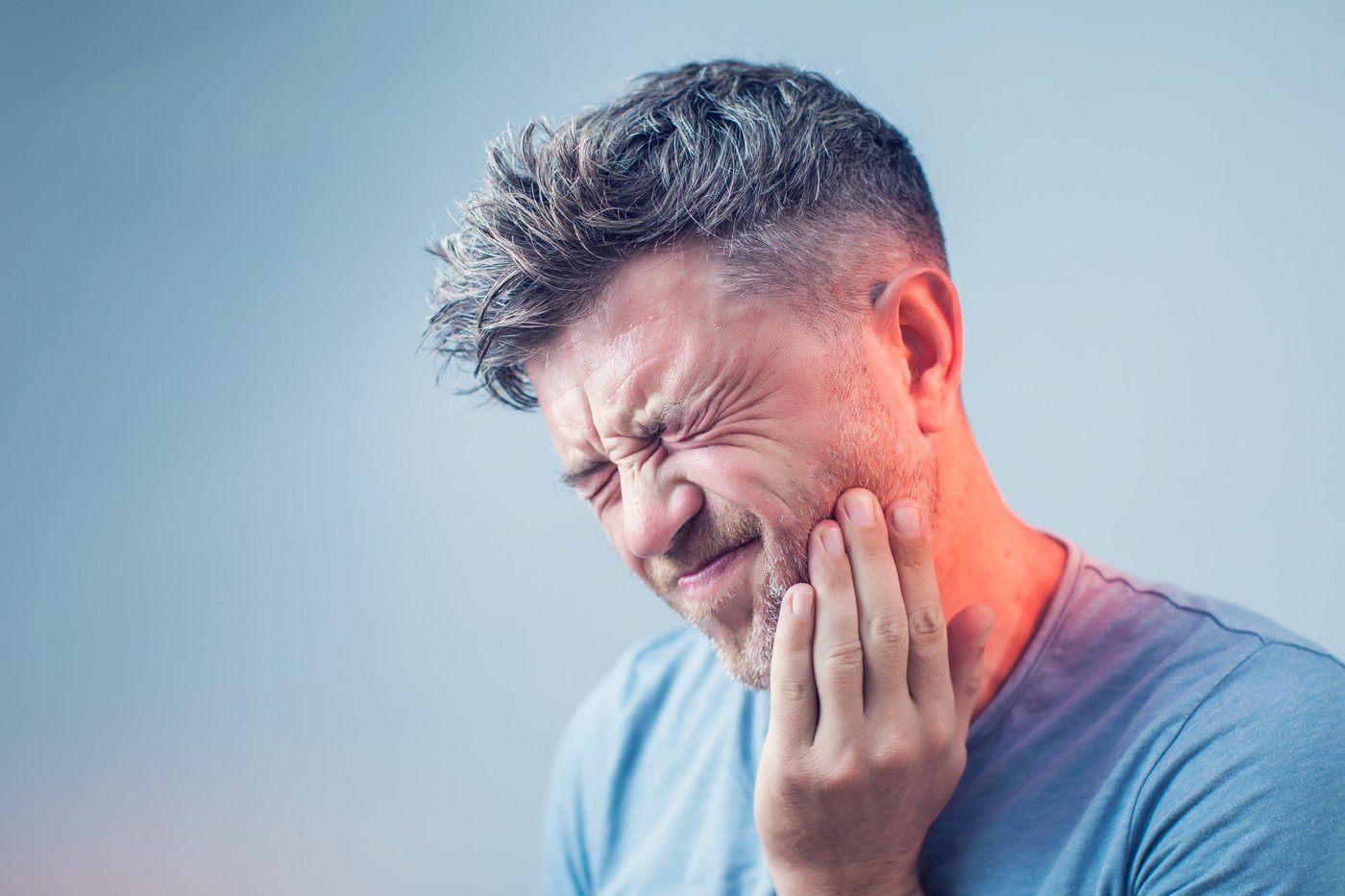
Why does my jaw hurt when I wake up?
Morning jaw pain usually points to nighttime clenching or grinding, which keeps the jaw muscles contracted for hours while you sleep. The muscles wake up sore, and the joint can feel stiff or click on first opening. Treatment targets the clenching itself rather than the soreness it leaves behind.
If you have ever wondered why the ache is at its worst before you have even used your jaw, that is the reason. Nothing about your morning caused it. The night did.
Nighttime clenching is easy to miss, because it happens while you are asleep. The signs tend to show up somewhere else: a dull ache along the sides of the face, tenderness at the temples, teeth that feel sensitive to pressure, or a partner who mentions the grinding before you ever notice it yourself.

Am I a candidate for TMJ or TMD treatment?
You are likely a candidate if you have jaw pain or soreness, clicking or popping when you chew, frequent tension headaches, or a jaw that feels tired or hard to open fully. A free consultation at ANEWU confirms whether muscle focused or joint focused care fits your symptoms.
- You have jaw pain or soreness, especially in the morning.
- You notice clicking or popping when you chew or open wide.
- You get frequent tension headaches, or you catch yourself clenching or grinding.
- Your jaw feels fatigued, or it is hard to open your mouth fully.
- You have been told the problem is stress and left it there, without anyone examining the joint.
- You want a free consultation to find out whether a muscle focused or joint focused approach fits.
Not every jaw symptom is a TMJ disorder, and some are better handled somewhere other than a surgical practice. If that is the case for you, we will say so at the consultation.
Muscle focused, or joint focused.
Which one you need depends on where the trouble actually sits, and both are available inside the same practice.
Muscle focused care
- Led by Dr. Arshia Payman as part of ANEWU's facial aesthetics care.
- Botox placed in the jaw muscles to ease clenching and overactivity.
- Suits jaw fatigue, morning soreness and tension across the temples.
- Done in office, with no recovery period to plan around.
Joint and bite evaluation
- Led by Dr. Abtin Shahriari, an oral surgeon specializing in implant dentistry.
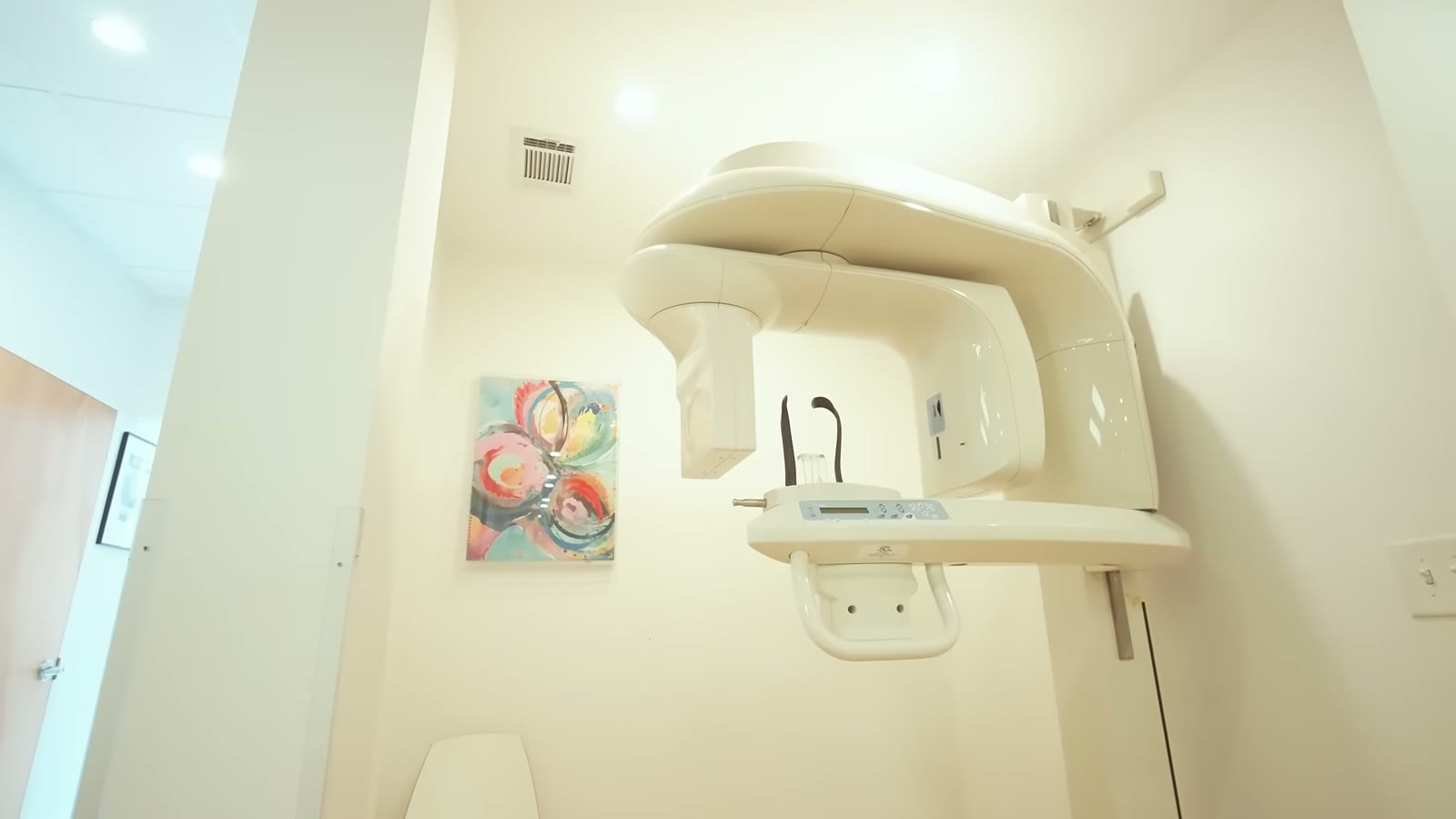
- Looks at the joint itself, how the bite meets, and what the joint does under load.
- Suits locking, limited opening, and symptoms muscle focused care has not settled.
- Surgery is reserved for select cases and is never the starting point.
Some patients turn out to need both. Some turn out to need neither. Which is why the evaluation comes first.
How is TMJ diagnosed?
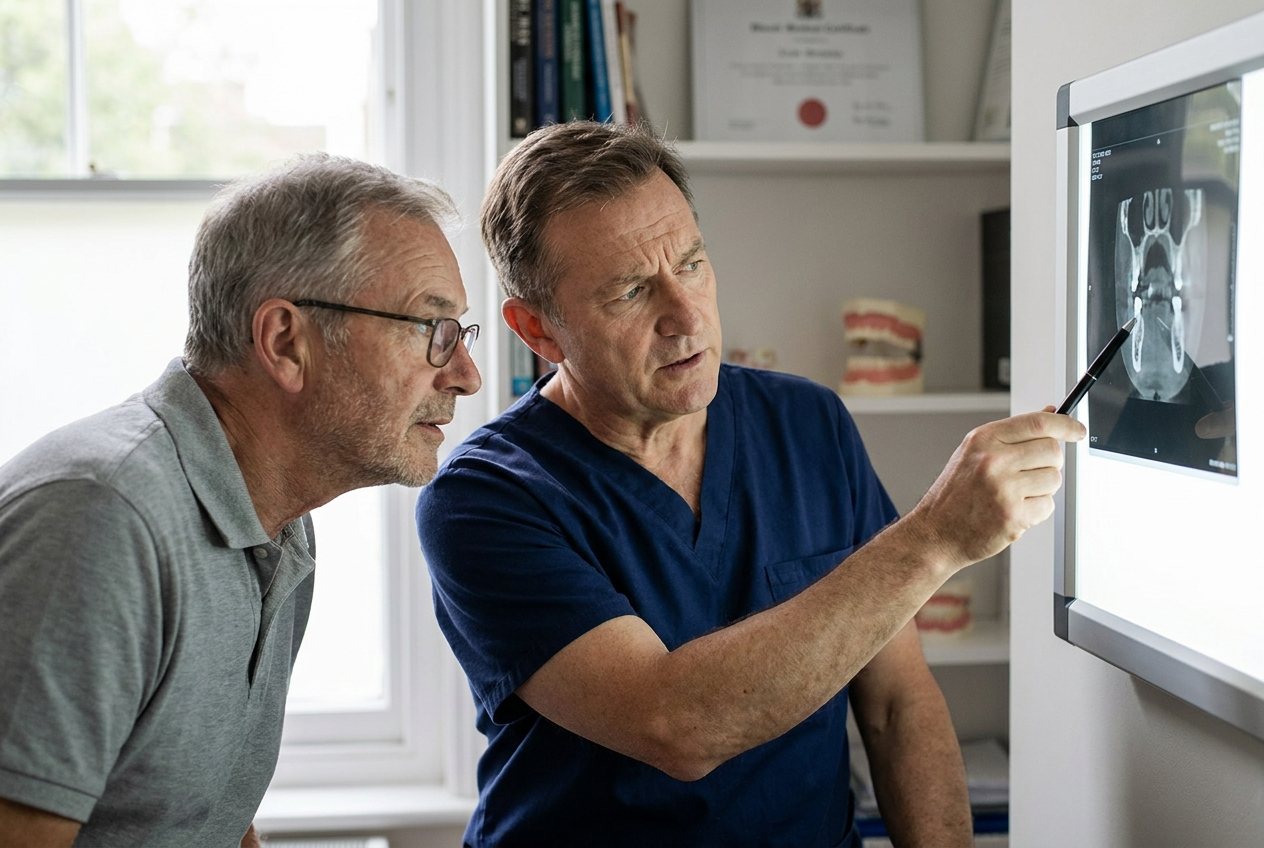
TMJ is diagnosed at ANEWU through a conversation about your symptoms, an examination of how your jaw opens, closes and tracks, and a check for tenderness in the jaw muscles and joint. A closer clinical evaluation is added when the joint itself may be part of the picture.
Your free consultation
We go through when the symptoms started, what makes them worse, and what you have already tried. Most of this visit is spent listening. New to the practice? It also covers everything in what to expect at your first visit.
The jaw examination
Your jaw is watched through its full range of movement, and the muscles and the joint are checked for tenderness, clicking and restriction. This is the part that separates muscle strain from a problem inside the joint.
The plan, matched to the finding
If tension is the driver, Dr. Payman may recommend Botox in the jaw muscles. If the joint or the bite is involved, your case is reviewed with Dr. Abtin first. Follow-up is set around what is actually causing the symptoms, not a generic protocol. Paperwork and what to bring are covered in our new patient information.
Can Botox really help jaw pain?
Yes. Botox placed in the jaw muscles eases the clenching and muscle overactivity that drive TMJ related tension, jaw soreness and clenching headaches. It does not reposition the joint or protect teeth from grinding, which is where a night guard fits instead. Dr. Arshia Payman reviews which approach matches your symptoms.
| Botox for TMJ | Oral splint / night guard | |
|---|---|---|
| Approach | Relaxes overactive jaw muscles directly | Cushions and repositions the bite during sleep |
| Where it is used | In-office injection | Worn at night at home |
| Onset | Eases tension within days to weeks | Builds benefit with consistent nightly use over time |
| Suited to | Muscle-driven clenching and tension | Protecting teeth and the joint from nighttime grinding |
Wondering what else that same injection is used for? Botox for jaw tension and cosmetic Botox are the same product placed in different muscles, for different reasons.
Relief aimed at the actual cause.
- Less jaw tension and fewer clenching-related headaches for patients treated with Botox.
- A plan aimed at what is actually driving symptoms, not guesswork.
- Care handled by the right clinician, whether that is muscle focused or joint focused.
- One practice holding both halves of the picture, so nothing gets handed off and lost.
Individual results vary and are discussed at your free consultation. More of what treatment has looked like for other people is in our patient stories.
How much does TMJ treatment cost in Atlanta?
TMJ and TMD treatment cost at ANEWU depends on whether care is muscle focused or joint focused and how many visits your plan takes. Dental and medical insurance often does not cover it. ANEWU accepts CareCredit and Proceed Finance and can arrange a monthly payment plan before treatment begins.
We do not publish a number, because a single Botox visit for jaw tension and a full joint evaluation are not the same piece of work. You get the figure for your case at the free consultation, before anything is scheduled.
Your ANEWU care team for TMJ and TMD.
TMJ and TMD care is coordinated between two clinicians, so your treatment reflects what is actually driving your symptoms.

Dr. Arshia Payman, MD
Dr. Payman leads facial aesthetics at ANEWU and treats the muscular side of TMJ, placing Botox in the jaw muscles when tension and clenching are the primary driver. She reviews your symptoms and your health history before recommending anything.
Last updated September 2026. Meet Dr. Payman
Dr. Abtin Shahriari, DMD, MPH
Dr. Abtin handles the joint and bite side of the picture, and is available for a fuller evaluation when the joint itself may be involved. He completed 8 years of specialty training, including at the University of Pennsylvania and Emory University.
Last updated September 2026. Meet Dr. AbtinTMJ questions, answered.
What patients ask most before their first visit. More general answers live in our new patient questions.
Ask us directlyTMJ-related muscle tension is commonly linked to headaches as well as jaw pain, so treating the underlying tension can ease both for many patients.
Most patients start with non-surgical options, such as Botox for muscle tension or a night guard for grinding. Surgery is reserved for select cases, and would only be considered after a fuller evaluation with Dr. Abtin.
Start with a consultation. ANEWU's team reviews your symptoms together and points you toward the approach, muscle-focused or joint-focused, that fits what's actually going on.
Any of the three. Buckhead, Cumming and Dawsonville are all open Monday to Saturday, 7am to 5pm.
Let's find out what is causing your symptoms.
A free consultation is the easiest way to find the right approach, whether that is muscle focused, joint focused, or both.
Reviewed by Dr. Arshia Payman, MD, who leads facial aesthetics at ANEWU. Last updated September 2026.