





Pre and Post-Op Instructions for Oral Surgery Patients
These are general guidelines for ANEWU surgical patients. Always follow the specific instructions your surgical team gave you at your appointment; if anything conflicts, theirs take priority.
What should I do in the first 24 hours after oral surgery?
For the first 24 hours after oral surgery, bite gently on the gauze you were given, keep ice on the outside of your face, keep your head elevated, and do not rinse, spit forcefully or use a straw. Your surgical team sends you home with instructions specific to the procedure performed.
If you have ever wondered which of the day-one rules actually matter most, it is the ones about suction and pressure. Everything on that first list exists to protect the blood clot forming over the surgical site, because that clot is what the rest of your healing is built on.
The sheet you were handed at checkout is the one that governs your case. This page is the general version, and it pairs with what to expect at your first visit for anyone still in the planning stage.
- Bite gently on the gauze for the first several hours
- Ice the outside of your face, not the inside of your mouth
- Keep your head elevated, even while sleeping
- No rinsing, forceful spitting, straws, smoking or vaping
- Take medication exactly as it was prescribed to you

Written instructions, by procedure type.
Three sets cover most ANEWU cases. Open the one that matches the procedure you had, and keep following the sheet your team gave you if the two differ.
General Post-Op Instructions
Guidelines that apply after most procedures, unless your team tells you otherwise.
- Take all medications exactly as prescribed by Dr. Abtin.
- Apply ice packs to the outside of your face for the first 24 hours to help reduce swelling.
- Eat soft, cool foods for the first few days and avoid hot, hard or crunchy foods.
- Keep your head elevated, even while sleeping, for the first couple of days.
- Avoid smoking, vaping and using straws, since suction can disrupt healing.
- Resume brushing gently, avoiding the surgical site directly, and rinse as directed.
- Avoid strenuous exercise for at least a few days, or as long as our team recommends.
- Call our office with any questions before assuming something is wrong.
Anesthesia & Sedation Instructions
Before and after care for patients receiving anesthesia or sedation.
- Before your procedure, follow any fasting instructions given for your specific anesthesia or sedation plan.
- Arrange for a responsible adult to drive you home and stay with you if you're receiving sedation.
- Wear loose, comfortable clothing and avoid jewelry or contact lenses on the day of your procedure.
- Tell our team about all medications and supplements you're currently taking before your appointment.
- After your procedure, rest for the remainder of the day; don't drive, operate machinery or make important decisions until the effects have fully worn off.
- Expect some grogginess, and have someone available to help you at home.
- Resume your normal medications only as instructed by our team.
Extraction & Surgical Site Instructions
Care specific to an extraction or surgical implant site while it heals.
- Bite gently on the gauze provided for the first several hours to help a clot form.
- Avoid rinsing, spitting forcefully or using a straw for the first 24 hours.
- Do not touch or probe the surgical site with your tongue or fingers.
- Some oozing and swelling is normal in the first day or two.
- Begin gentle warm salt-water rinses after the first 24 hours, as directed by our team.
- Avoid smoking and alcohol while your surgical site is healing.
- Contact our office if you notice increasing pain, swelling or bleeding after the first day or two.
Paperwork for an upcoming appointment lives on the new patient forms page instead.
How much pain and swelling is normal after oral surgery?
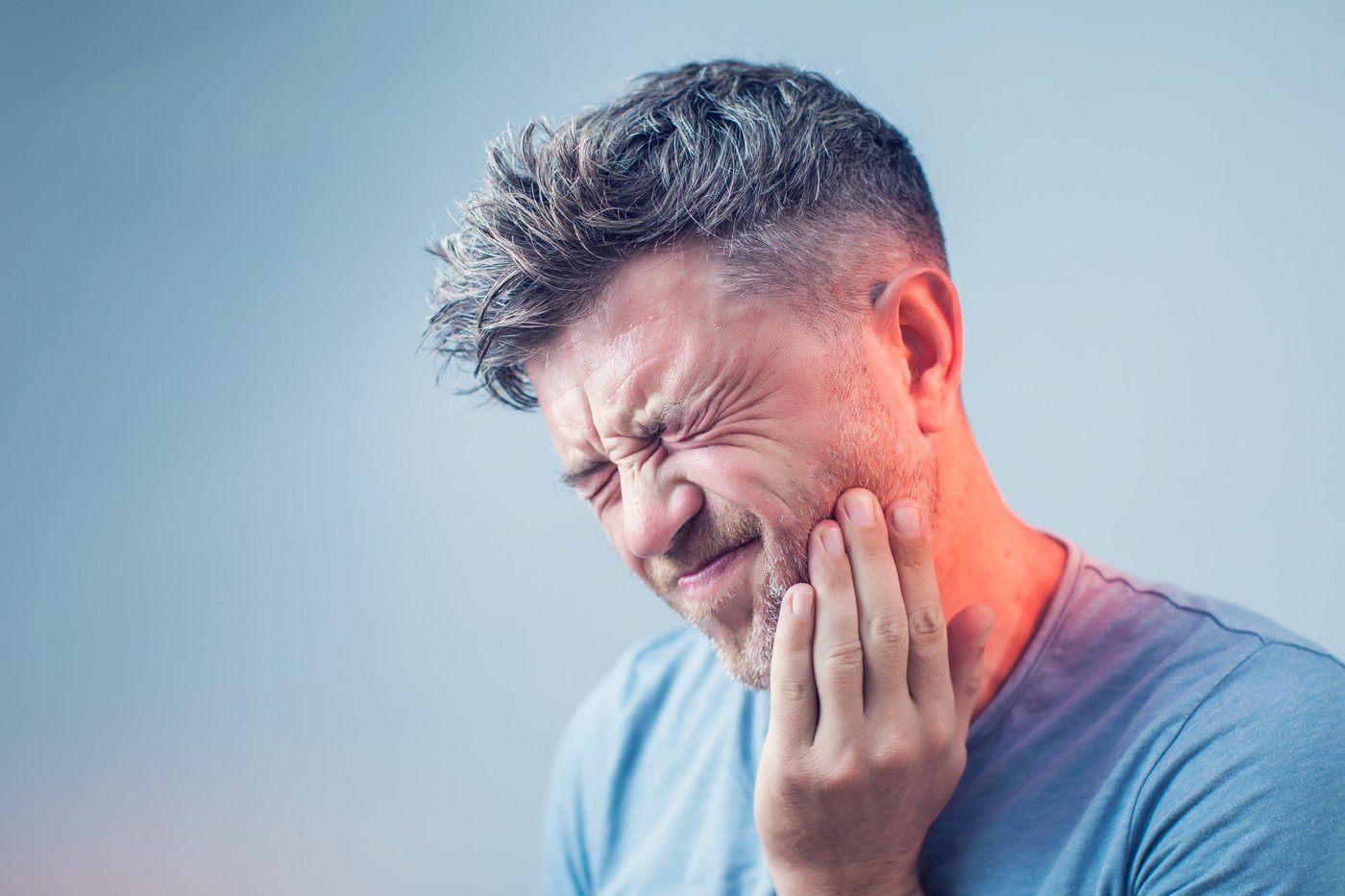
Some swelling, bruising and oozing in the first day or two after oral surgery is expected, and ice on the outside of the face during the first 24 hours helps. Pain that increases after the first day or two, rather than easing, is the signal to call your surgeon.
The useful question is not how much discomfort you have, it is which direction it is heading. Healing tends to move toward easier. Anything moving the other way is worth a phone call rather than a wait-and-see weekend.
Swelling and bruising
Ice on the outside of the face during the first 24 hours is the main tool, along with keeping your head elevated even while sleeping. Bruising that appears along the jaw or neck as swelling settles is common after surgery.
Oozing and bleeding
Light oozing in the first day or two is expected while the clot settles. Biting gently on fresh gauze is the first response. Bleeding that gets heavier instead of lighter should be reported to the office.
What can I eat after oral surgery?
Soft, cool foods for the first few days. Yogurt, smoothies eaten with a spoon, scrambled eggs, soup that has cooled and mashed potatoes all work. Avoid hot, hard or crunchy foods while the site is healing, and skip straws entirely, because the suction can disrupt the clot.
If you have ever wondered why a milkshake is fine but the straw is not, that is the whole answer. The food is not the problem. The suction is. The same logic rules out smoking and vaping for the same stretch of days.
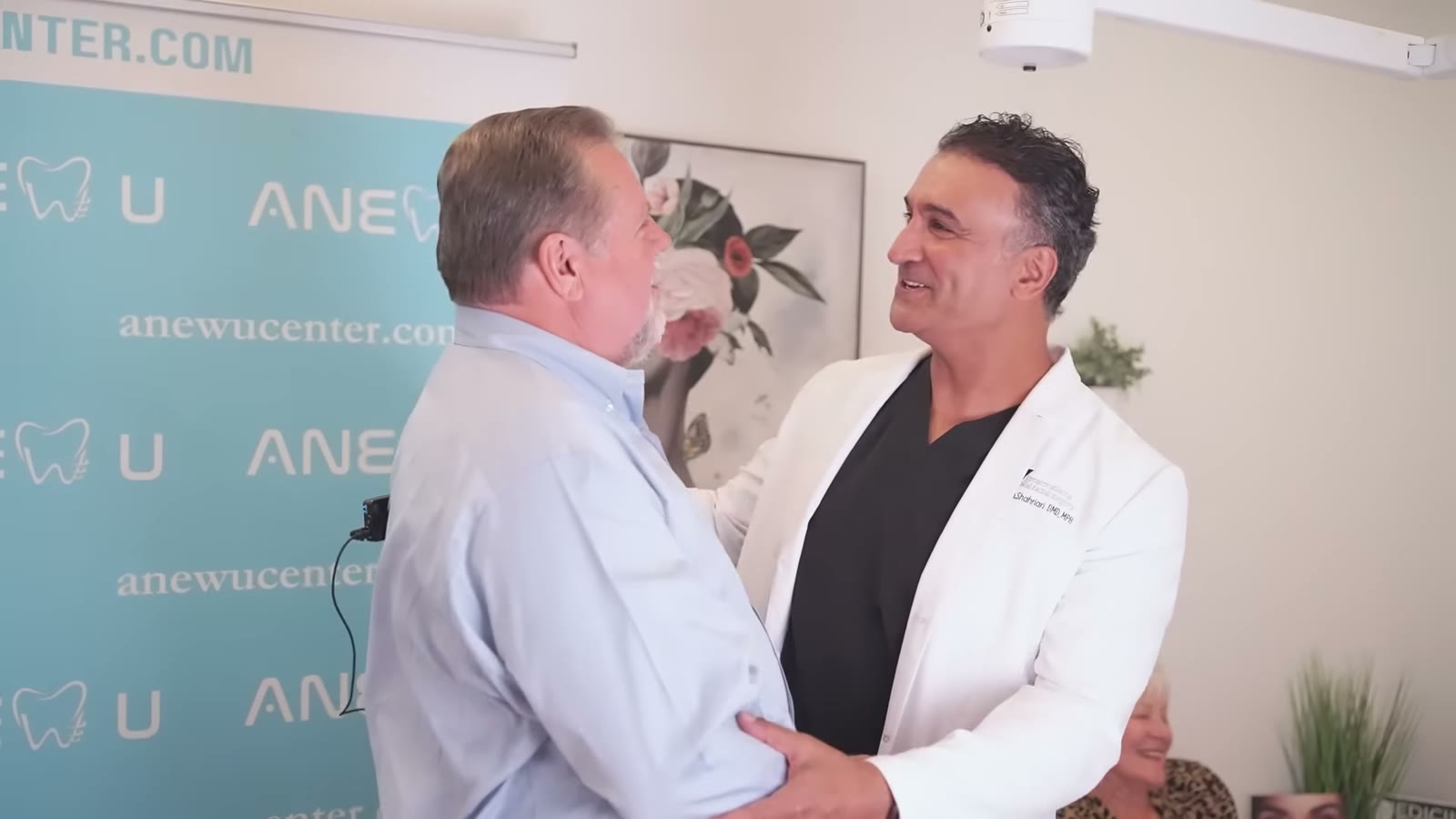
Recovery, day by day.
A general shape for most surgical cases. Implant and full arch cases follow a longer arc, which your surgeon maps out for you before the procedure.
The first 24 hours
Gauze, ice on the outside of the face, head elevated, and rest. No rinsing, no forceful spitting, no straws, no smoking or vaping. Some oozing and swelling is normal during this window.
If you were sedated, plan on doing nothing else that day and have someone with you at home.
Days two and three
Gentle warm salt-water rinses begin after the first 24 hours, as directed by your team. Soft, cool foods continue. Brushing resumes gently, avoiding the surgical site directly.
Swelling and bruising are still normal here. Increasing pain, swelling or bleeding is not, and is the point at which to call.
The first week and beyond
Strenuous exercise stays off the table for at least a few days, or as long as our team recommends. Alcohol and smoking stay off until the site has healed.
If your case involves dental implant treatment, your follow-up visits are already scheduled around how that site is expected to heal.
What is dry socket, and how do I avoid it?
Dry socket is what happens when the blood clot over an extraction site is lost too early, leaving the bone underneath exposed and usually painful. Avoiding straws, smoking, vaping and forceful spitting for the first 24 hours is how it is prevented. Call ANEWU if pain worsens instead of easing.
If you have ever wondered why the same three rules appear on every aftercare sheet you have been handed, this is why. They are not fussiness. They are the clot.
Extractions are often the first step toward replacing a tooth rather than the end of the story. When bone volume is the limiting factor, bone grafting is sometimes done at the same appointment, which changes what your healing window looks like. Dr. Abtin will confirm which applies to your anatomy.
When should I call the office after surgery?
Call ANEWU at (470) 288-9655 right away for uncontrolled bleeding, severe swelling, difficulty breathing or swallowing, or a reaction to medication. Call during office hours if pain, swelling or bleeding increases after the first day or two. The Buckhead, Cumming and Dawsonville offices are open Monday to Saturday.
The standing instruction on every one of our sheets is to call with any question before assuming something is wrong. Nobody here minds the call, and a two minute conversation settles most of what patients lie awake worrying about. More general questions are collected on the new patient FAQ page.
Call immediately
Uncontrolled bleeding, severe swelling, difficulty breathing or swallowing, or a reaction to a medication you were prescribed. Do not wait for the next business day for any of these.
Call during office hours
Pain, swelling or bleeding that increases after the first day or two, a question about your medication schedule, or anything on your sheet that does not match what you are experiencing.
Your surgeon and your recovery team.
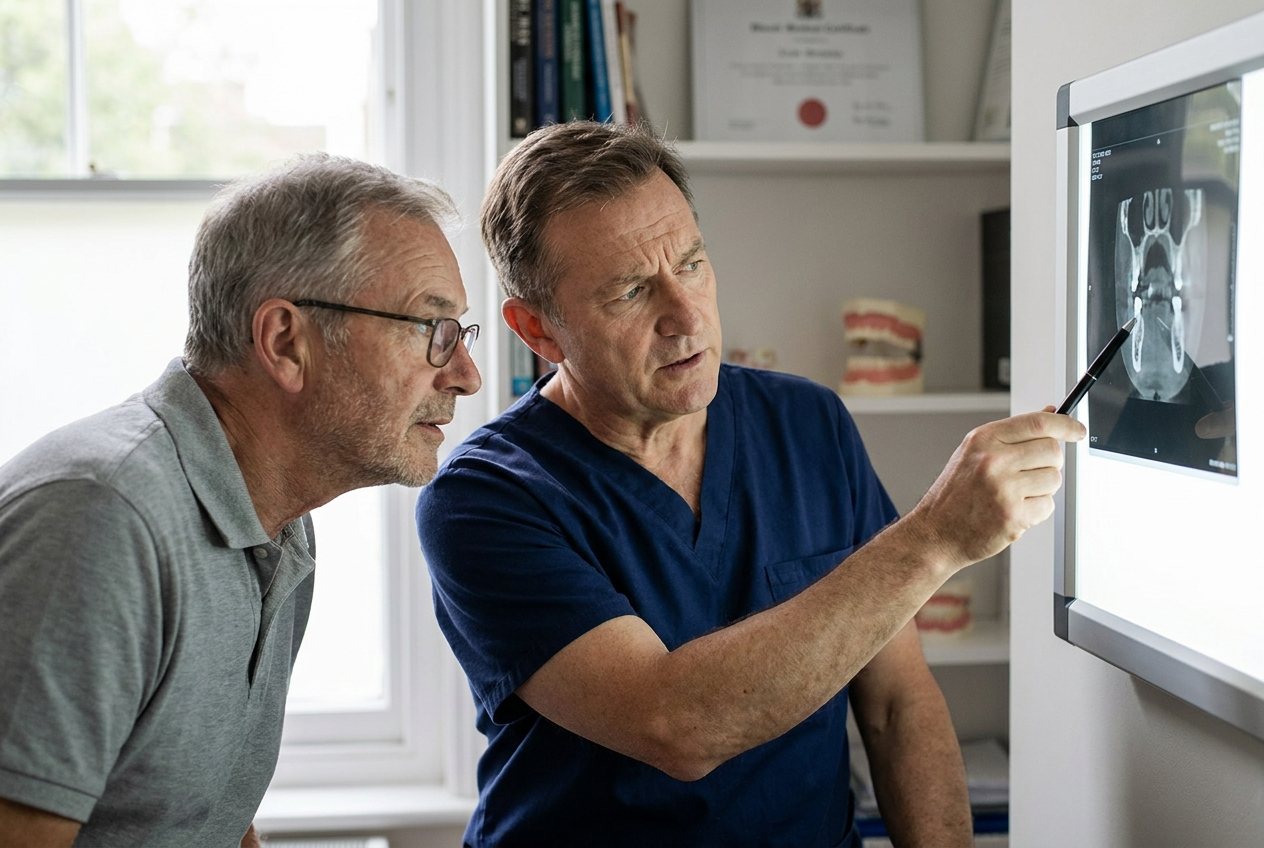
Every oral surgery and implant procedure at ANEWU is performed by Dr. Abtin Shahriari, an oral surgeon specializing in implant dentistry. The aftercare sheet you went home with was written for the procedure he performed, and the same team that treated you answers the phone when you call about it.
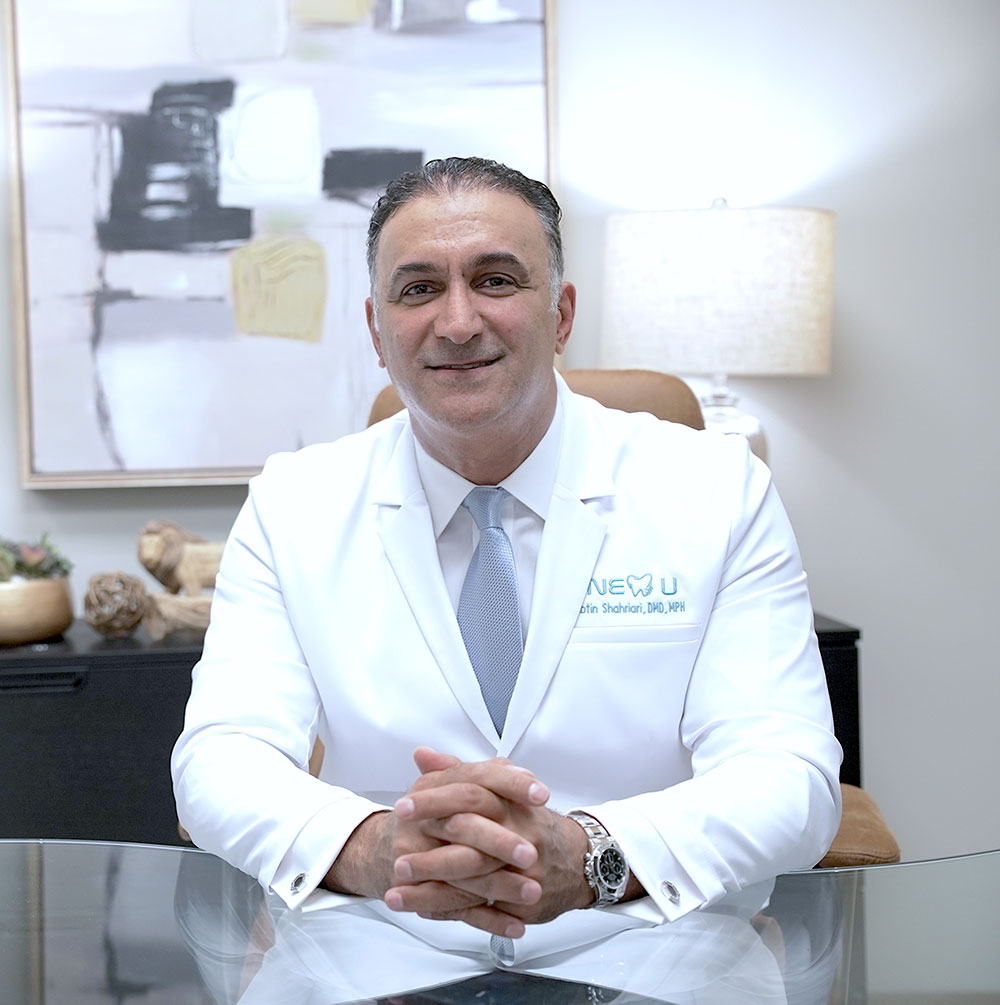
Dr. Abtin Shahriari, DMD, MPH
Eight years of specialty training, including the University of Pennsylvania and Emory University, sit behind every plan he writes. He has performed thousands of surgeries and founded Project Global Smile. The full background is on the page for Dr. Abtin Shahriari.
Facial aesthetics is a separate practice inside the same offices, led by Dr. Arshia Payman, MD, a board-certified physician specializing in aesthetic medicine. Her treatments carry their own aftercare instructions.
More recovery questions, answered.
Yes. Resume brushing gently, avoiding the surgical site directly, and rinse only as your team directed. Gentle warm salt-water rinses usually begin after the first 24 hours rather than on the day of surgery.
Plan to rest for the remainder of surgery day, and avoid strenuous exercise for at least a few days, or as long as our team recommends. If you were sedated, do not drive, operate machinery or make important decisions until the effects have fully worn off.
Some oozing and swelling is normal in the first day or two. What is not expected is bleeding that increases rather than settles. Contact our office if you notice increasing pain, swelling or bleeding after the first day or two.
No. Avoid smoking, vaping and using straws, since suction can disrupt healing, and avoid alcohol while your surgical site is healing. This is the single instruction patients most often ask about and the one most worth following.
We're here to help.
If anything about your healing feels off, don't wait, call our office. For everything else, we're happy to help at your next visit in Buckhead, Cumming or Dawsonville.
Reviewed by Dr. Abtin Shahriari, oral surgeon specializing in implant dentistry. Last updated September 2026.