








3D Imaging and Computer-Guided Implant Surgery in Atlanta, GA
Every implant plan at ANEWU starts long before surgery day, with a 3D scan of your own jaw. That scan becomes a virtual surgical plan, and computer-guided surgery carries the plan into the operating room so placement follows what was designed.
What is 3D imaging for dental implants?
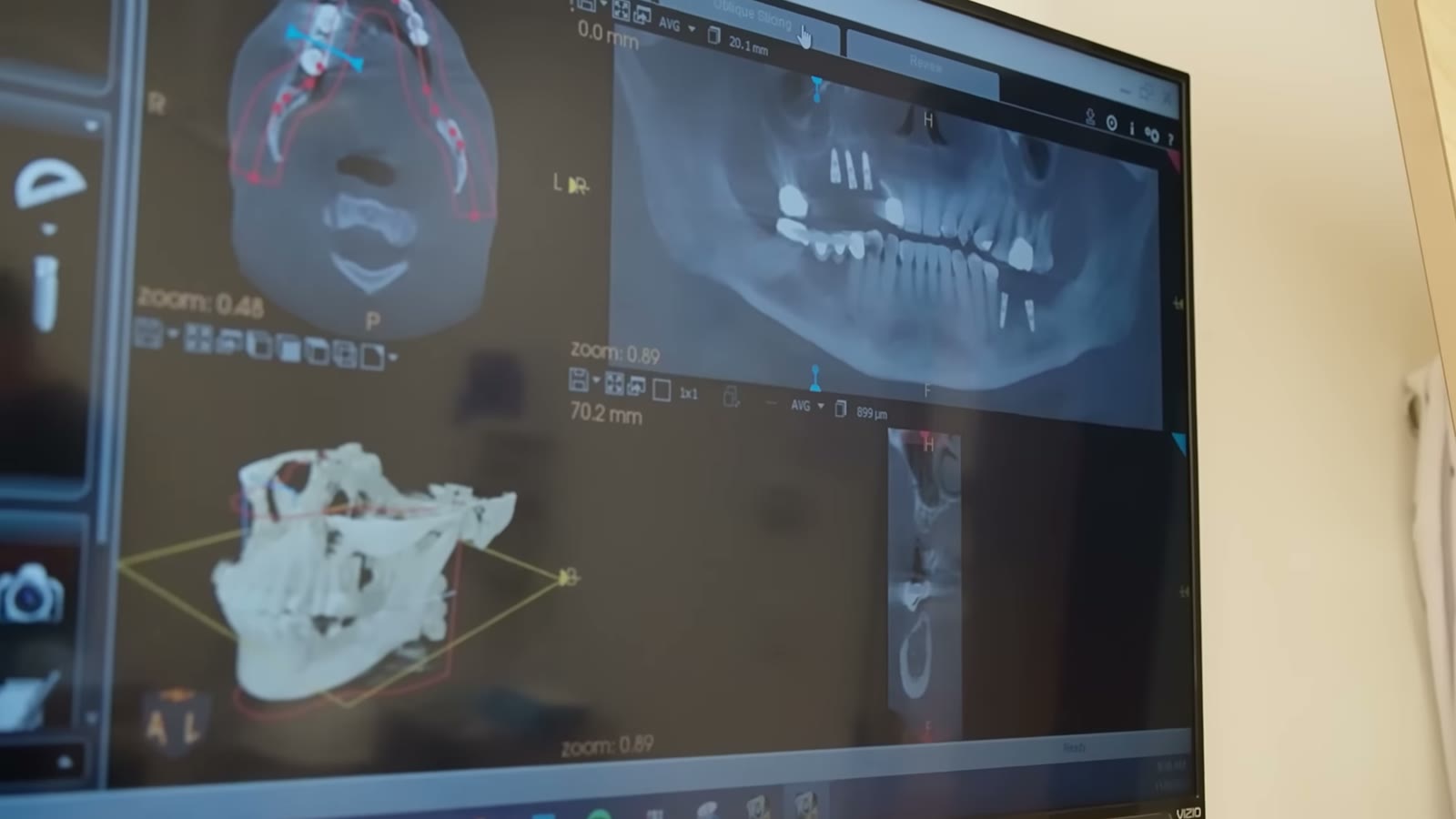
3D imaging is a cone beam scan of your jaw that shows bone volume, nerve position and bite in three dimensions, which a flat x-ray cannot. At ANEWU, that scan becomes a virtual surgical plan setting the position, angle and depth of every implant before surgery day.
If you have ever wondered why one surgeon can plan your case in a single visit while another sends you away for more imaging, this is usually the difference. A flat film shows height and shape but not depth, so bone width, nerve channels and sinus floors are left to estimation. A 3D scan removes the estimating, which is why it sits at the front of every dental implant treatment plan here.
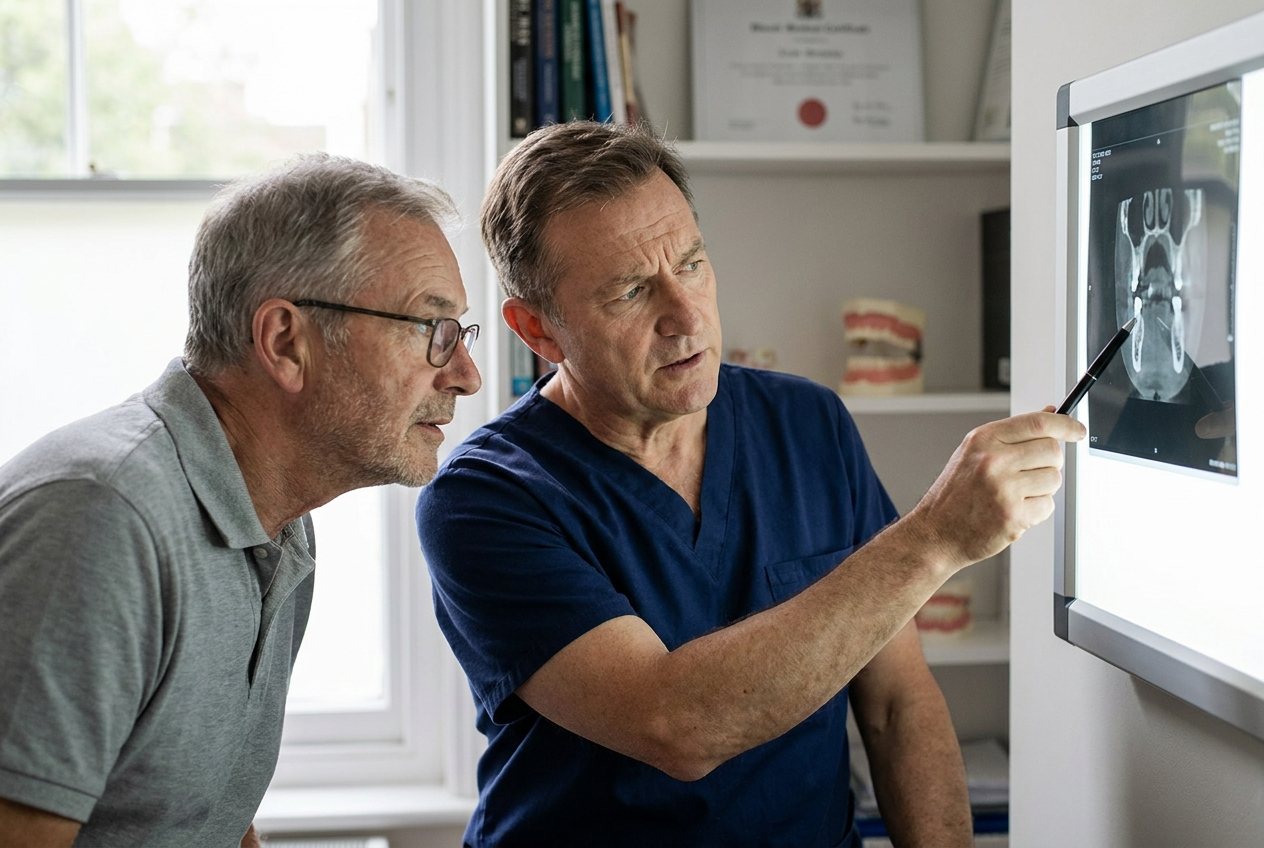
The scan is quick, taken in our own office, and reviewed with you on screen while you are still in the chair. Nothing gets recommended until you and your surgeon are looking at the same picture.
Planned in three dimensions, placed with precision.
3D imaging captures bone volume, nerve position and the shape of your bite in a way a standard two dimensional x-ray cannot. Dr. Abtin Shahriari uses that scan to build a virtual surgical plan, mapping the position, angle and depth for every implant before you are in the chair for surgery.
Computer-guided surgery is how that plan reaches the procedure. A surgical guide or guided workflow holds placement to the planned position, so the implants go where they were designed to go. The same planning sits behind a single tooth implant and behind a full arch restoration alike.
It also means the finished teeth are considered at the start. Implant position gets planned around the restoration you will end up with, not the other way around.
Am I a candidate for computer-guided implant surgery?
Most implant patients are. Guided planning suits single implants, full arch cases and anyone whose bone, nerve position or sinus anatomy needs careful mapping. It is especially useful when bone is limited. Dr. Abtin Shahriari reviews your 3D scan at your free consultation and confirms whether a guided workflow fits your case.
- You are considering a full arch case such as All-On-4, All-On-6 or All-On-X
- You have limited bone and need planning around a graft or a cheekbone anchor
- You have been turned away for implants at another office
- You want to see and understand the plan before committing to surgery
- You would prefer a shorter, more predictable surgery day
- You want implant position planned around your final teeth, not fitted afterwards
Guided planning is not a separate procedure you elect and pay for. It is the method behind the implant treatment you are already considering, and the scan that drives it is taken at the first appointment.
What happens between your 3D scan and surgery day?
Four things. Your jaw is scanned in three dimensions at the consultation. That scan is turned into a virtual plan mapping each implant. A surgical guide or guided workflow is prepared from the plan. On surgery day, placement follows the plan rather than judgments made in the moment.
- 01
Your 3D scan at the consultation
A short in-office scan captures your jaw in three dimensions. It happens during your first visit, so there is no separate imaging appointment to book.
- 02
Your virtual surgical plan
Position, angle and depth are mapped for each implant against your own anatomy and the teeth you want at the end of treatment.
- 03
The guide is prepared
A surgical guide or guided workflow is built from the plan so those positions can be reproduced in the operating room.
- 04
Surgery follows the plan
Placement follows what was designed rather than decisions made in the moment, which is part of what keeps a long appointment moving.
Two ways to place an implant, compared honestly.
Guided surgery is not the answer for every single case, and a surgeon should tell you which one your case actually calls for.
Computer-guided placement
- Implant position planned virtually before the procedure
- A guide or guided workflow transfers the plan into surgery
- Nerve channels, sinuses and bone width measured in advance
- The final restoration is designed into the plan
Traditional freehand placement
- Implant position judged at the site during the procedure
- Relies on the surgeon reading the anatomy in real time
- Still appropriate for simpler, single tooth cases
- Less of the finished result is visualized up front
| What differs | Computer-guided | Freehand |
|---|---|---|
| Implant position decided | Before surgery, on the 3D plan | During surgery, at the site |
| Nerve and sinus mapping | Measured on the scan in advance | Judged from 2D imaging and direct view |
| Restoration considered | Planned alongside the implant | Usually addressed after placement |
| Commonly used for | Full arch, limited bone, complex anatomy | Straightforward single tooth cases |
Both approaches are used at ANEWU. The difference is how much of the case is settled before the day of surgery.
How do I replace missing teeth if I have been told I do not have enough bone?
Two routes usually remain. Bone grafting rebuilds the jaw so standard implants can be placed later. Zygomatic implants anchor in the cheekbone instead, which can avoid grafting entirely. A 3D scan shows exactly where bone is missing and how much is left, so the choice is made from your anatomy rather than a guess.
If you have ever wondered how to replace missing teeth after being told you were not a candidate, the first opinion was often working from a flat x-ray. Bone grafting adds height and width back over several months so standard implants can follow.
When the upper back jaw has lost too much height, zygomatic implants anchor above the sinus in the cheekbone instead, which can take grafting off the table. The scan is what tells you which of those conversations you are actually having.
Not every jaw has the bone volume for either route. Your surgeon will assess this with a 3D scan at your consultation.
What a 3D scan shows that a flat x-ray cannot.
A few minutes in the scanner produces the information the entire plan rests on.
- Bone width and height in every direction, not only top to bottom
- The path of the nerve running through the lower jaw
- The floor and volume of the sinuses above the upper back teeth
- The angle each implant would need in order to stay inside bone
- How the planned implants line up with your bite and your finished teeth
None of that reads off a flat film. It is also why a second opinion built on a 3D scan sometimes reaches a different conclusion than a first opinion built on a panoramic x-ray, and why we scan before saying yes or no to anyone.
How much does 3D imaging and guided implant surgery cost in Atlanta?
Cost depends on how many implants your case needs, whether bone grafting comes first, and which restoration is used. At ANEWU, 3D imaging and surgical planning are part of implant treatment rather than a separate charge. Dental insurance typically does not cover implant treatment. CareCredit and Proceed Finance are both accepted.
Dental insurance and implant treatment
Implant treatment is usually outside what a dental policy covers, and where a plan does contribute it tends to go toward part of the restoration rather than the surgery. You will be told plainly what your own plan is likely to do before you commit to anything.
The 3D scan and the planning that follows are not billed as a separate line item. They are simply how the treatment gets planned.
Financing through CareCredit and Proceed Finance
ANEWU accepts CareCredit and Proceed Finance, and a monthly payment plan can be arranged before your procedure. Visa, MasterCard and Discover are also accepted. The full range of implant financing options is laid out in detail, and your consultation will cover the cost of your specific treatment plan.
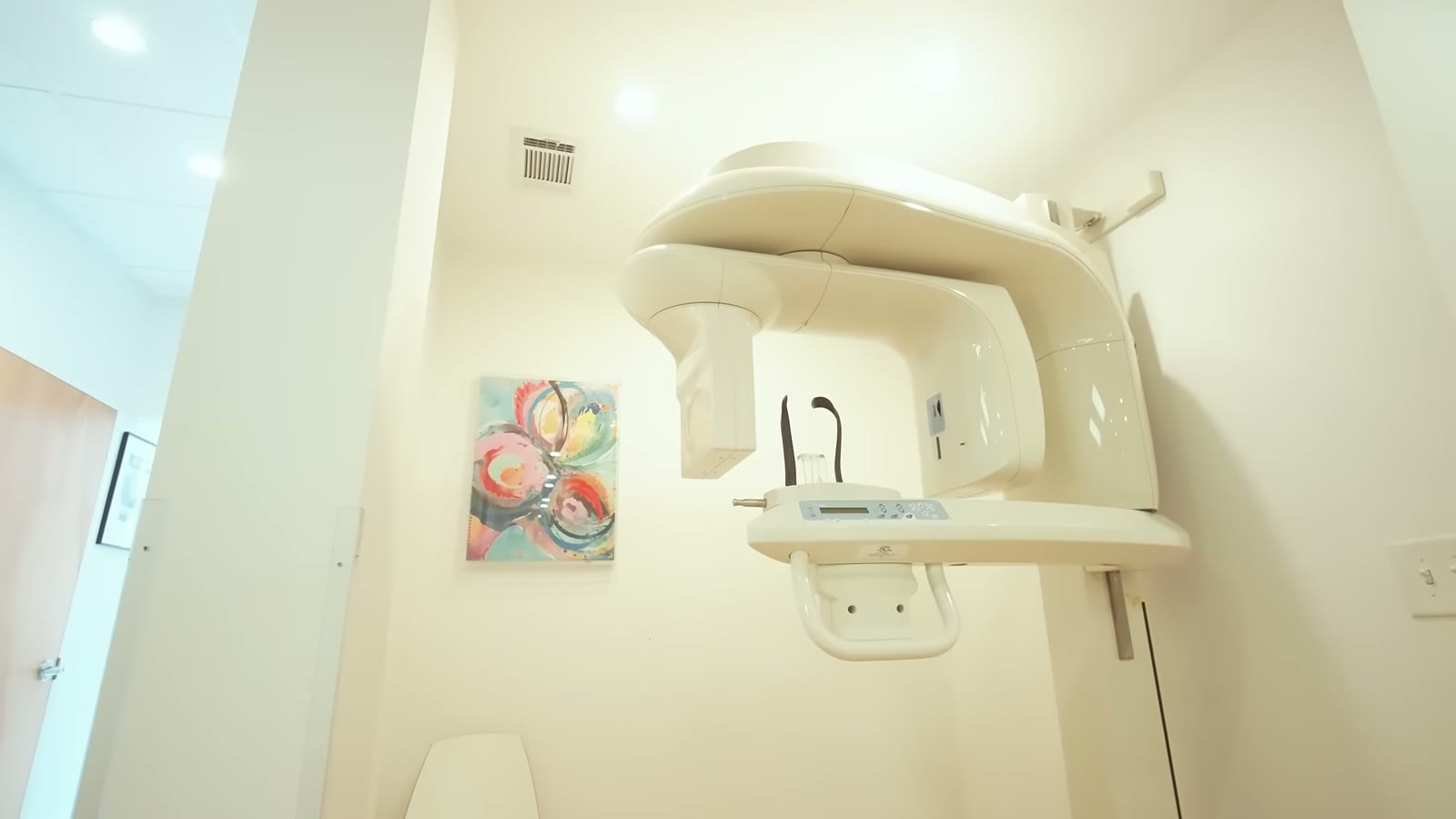
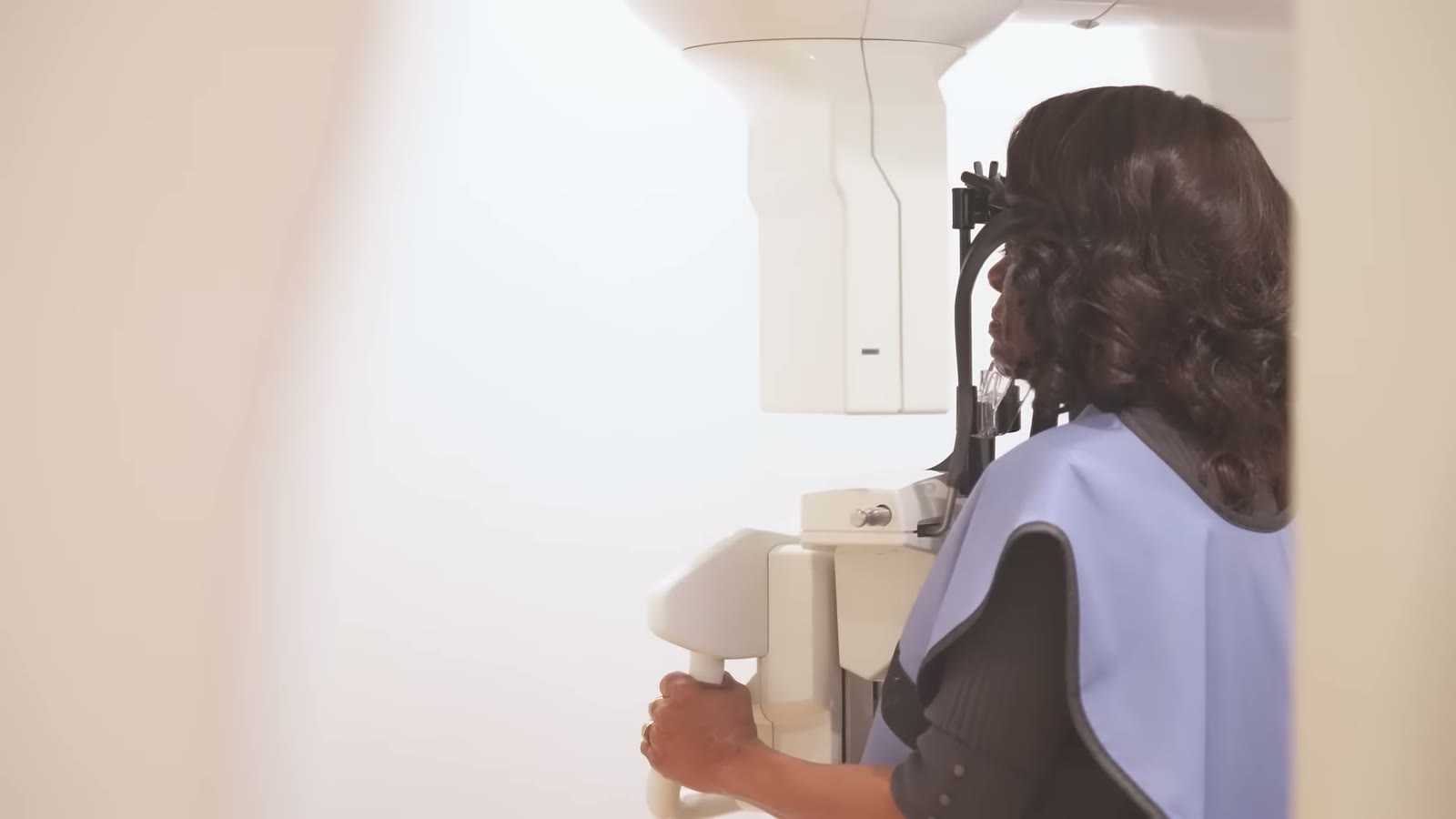
The technology, photographed where you will sit.
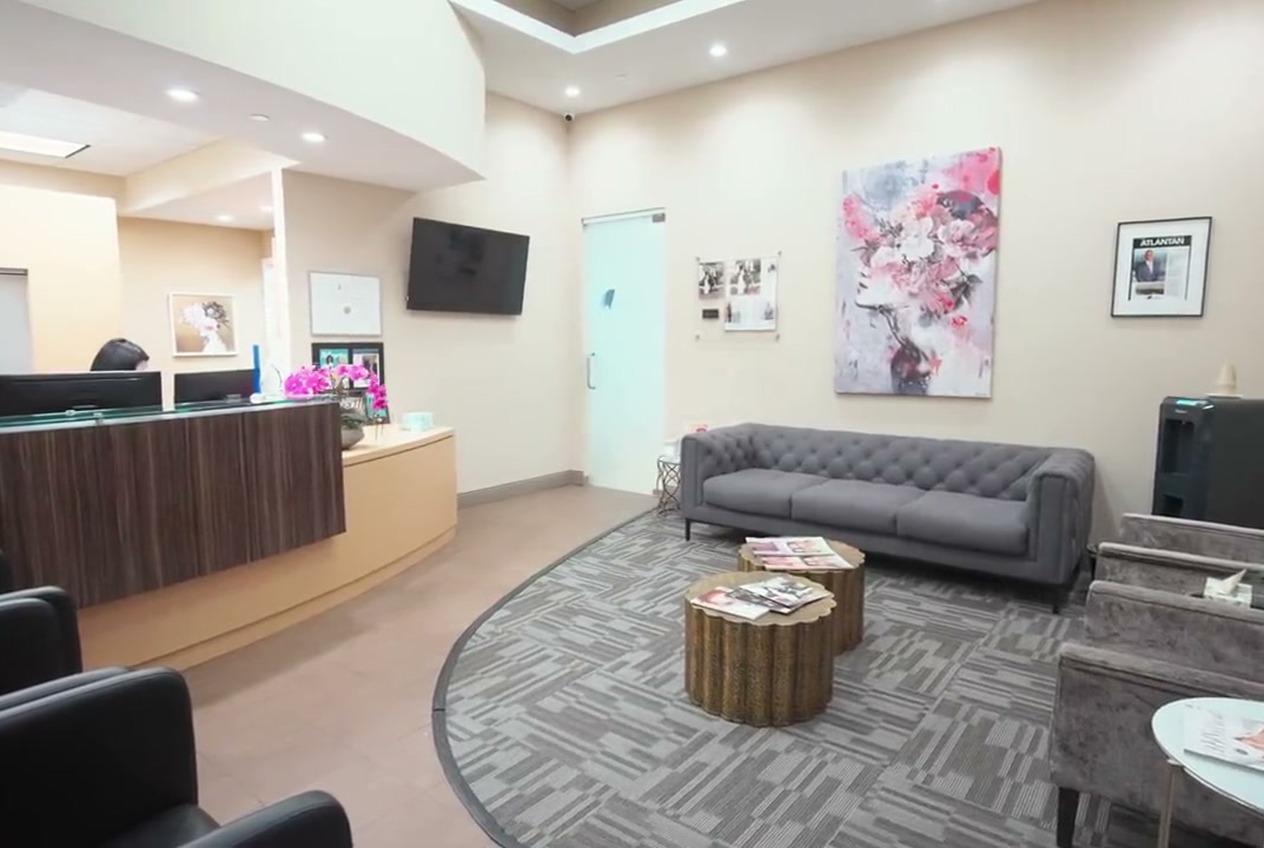
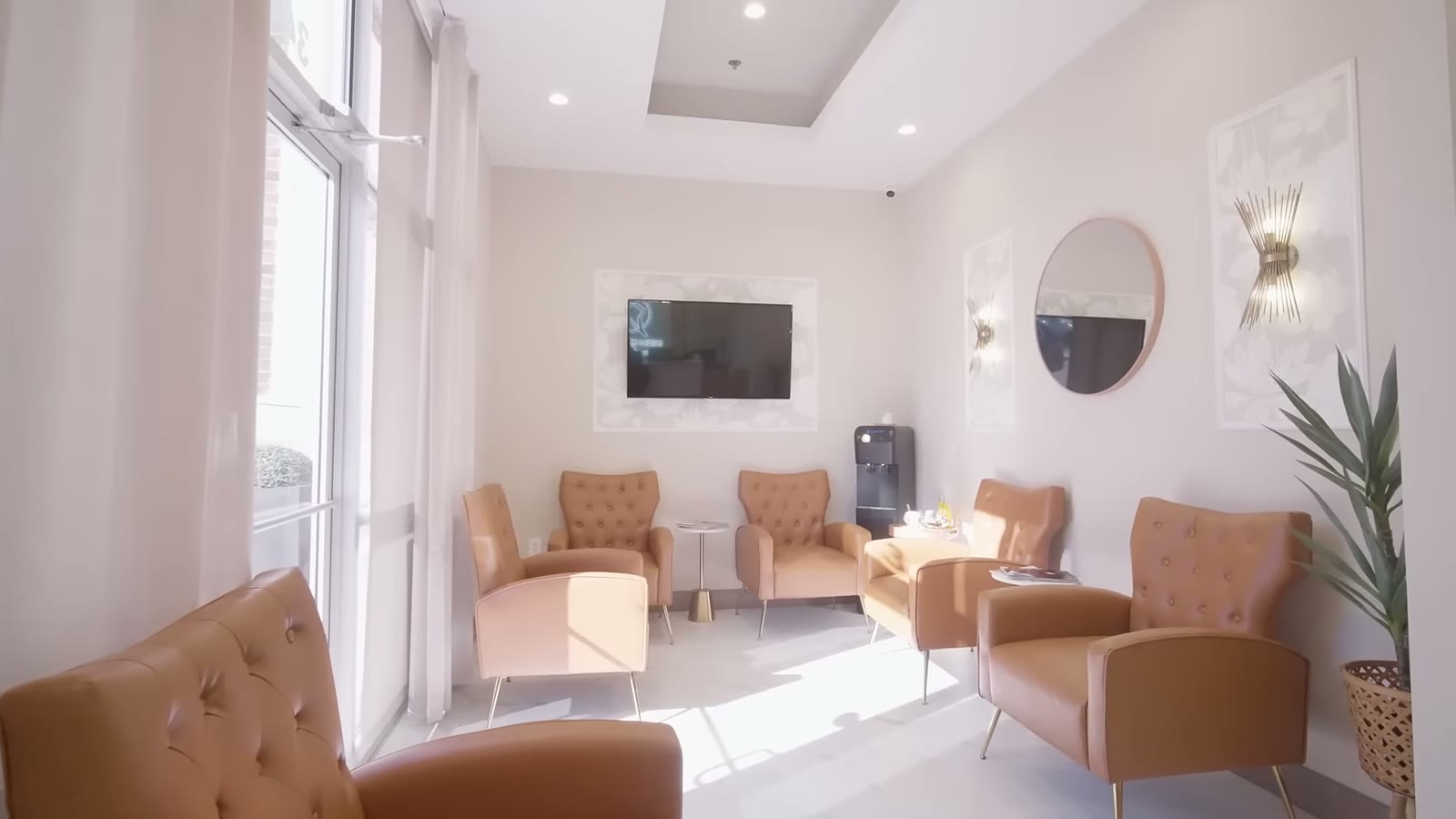
These are not stock renderings. This is the imaging and planning equipment used to plan implant cases at ANEWU.
Where is this treatment performed?
Implant surgery is performed at all three ANEWU offices in Georgia. Patients north of Atlanta most often use the Cumming or Dawsonville offices, both just off the GA-400 corridor, while the Buckhead office serves patients inside the perimeter. Records move between offices, so follow up can happen at whichever address is closer.
More questions, answered.
Short answers to what comes up most at a consultation about 3D imaging and guided surgery.
Ask us directlyGuided surgery transfers a plan built in advance directly into the procedure, which supports consistent implant position. Freehand placement relies on the surgeon reading the site in real time and stays appropriate for simpler cases. Guided planning adds a layer of preparation rather than replacing surgical judgment.
The scan itself takes a few minutes and is done in our office during your consultation, with no separate appointment and no injections. You sit or stand still while the scanner moves around your head.
Yes. Every implant plan, from a single tooth to a full arch, starts with a 3D scan so your surgeon knows the bone volume, nerve position and sinus anatomy before recommending a path forward.
Yes. Your scan is reviewed with you on screen at the consultation, and the plan built from it is explained before you decide anything. Seeing your own anatomy is usually what makes the recommendation make sense.
Who performs guided implant surgery at ANEWU?
Dr. Abtin Shahriari, an oral surgeon specializing in implant dentistry, plans and performs guided implant surgery at ANEWU. He holds a DMD and an MPH, completed 8 years of specialty training including the University of Pennsylvania and Emory University, and has performed thousands of surgeries across the three Georgia offices.
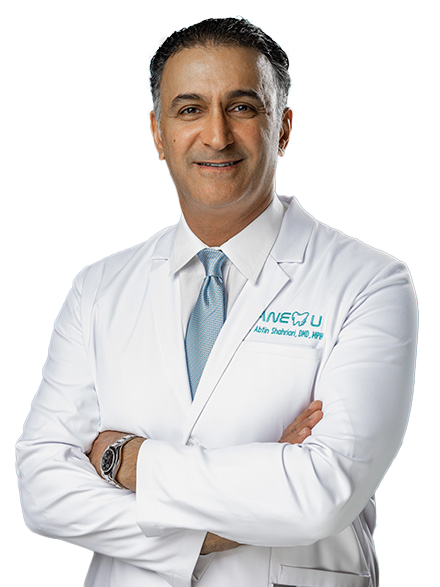
Dr. Abtin Shahriari, DMD, MPH
Dr. Abtin plans every implant case from a 3D scan, from a single tooth to full arch reconstruction, and is the founder of Project Global Smile. Full arch work stays in house at ANEWU with an on site lab rather than being sent out.
Meet the ANEWU teamSee your own 3D scan before you decide anything.
A free consultation includes the scan and a plan you can look at on screen, with no obligation to go further.
Reviewed by Dr. Abtin Shahriari, oral surgeon specializing in implant dentistry. Last updated September 2026.