
Short answer
Recovery depends on the laser. Nonablative treatment usually means a few hours of swelling or color change. After ablative lasers such as CO2, new skin typically covers the area in 7 to 10 days, full recovery takes at least a month, and pink skin can last for months. Sun protection, leaving crusts alone and following your clinic's written aftercare are the points the sources repeat most.
How long does it take to heal after laser skin resurfacing?
It depends on the laser. Nonablative treatment usually means a few hours of swelling or color change, according to Mayo Clinic. After ablative laser resurfacing, Mayo Clinic says new skin usually covers the area in 7 to 10 days and full recovery takes at least a month. Fractional versions of either type shorten recovery and lower the risk of side effects.
Published numbers differ because sources measure different finish lines. The American Society for Dermatologic Surgery says healing takes three to 10 days, depending on the depth of resurfacing and the laser used. The American Society of Plastic Surgeons (ASPS) says CO2 laser recovery is generally up to two weeks and erbium recovery is one full week. Johns Hopkins Medicine says healing after ablative treatment can take four to six weeks. One likely reason: Mayo Clinic separates new skin covering the area (7 to 10 days) from full recovery (at least a month), so a source quoting only one of them sounds quicker or slower.
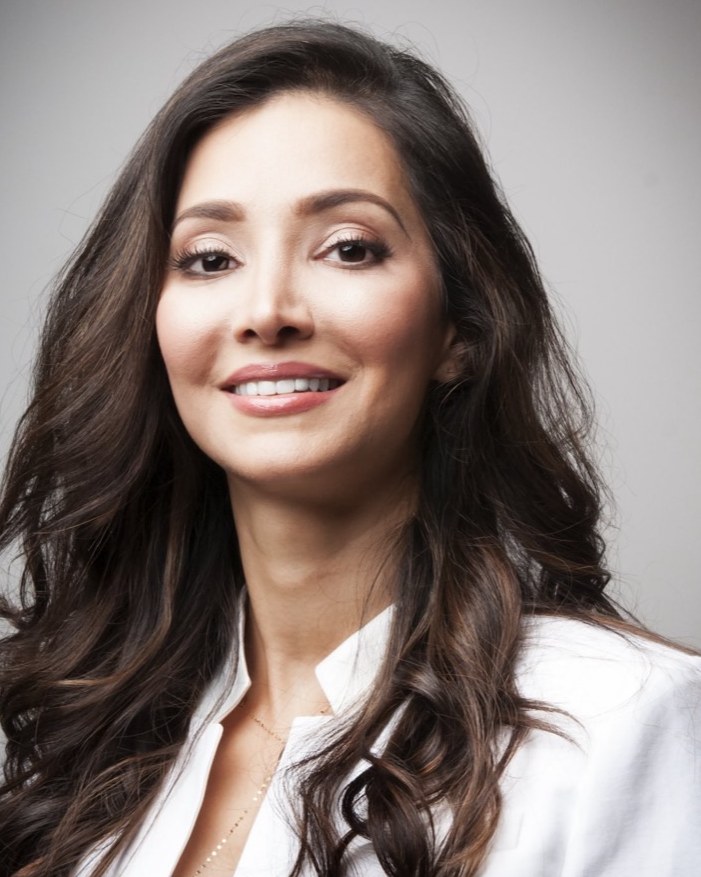
ANEWU's laser resurfacing page says downtime depends on treatment intensity, with more intensive resurfacing asking for more recovery time. It says Dr. Arshia Payman, MD, who leads facial aesthetics at the practice, sets the intensity for your skin type and goals at a free consultation and explains what to expect, and the at-home care, before you begin. The page does not name a laser type, so ask which laser type and intensity are planned for you, because that sets your timeline. Our guide to laser resurfacing candidates and types explains how the lasers differ.
| Treatment type | What the sources say about recovery |
|---|---|
| Nonablative laser | A few hours of swelling or color change; usual activities and skin routine can typically resume right away (Mayo Clinic) |
| Fractional CO2 laser | One full week (Cleveland Clinic); skin usually takes 1 to 2 weeks to heal (Memorial Sloan Kettering) |
| Ablative CO2 or erbium laser | CO2 up to two weeks, erbium one week (ASPS); new skin in 7 to 10 days, full recovery at least a month (Mayo Clinic); four to six weeks (Johns Hopkins Medicine) |
What does laser resurfacing recovery look like day by day?
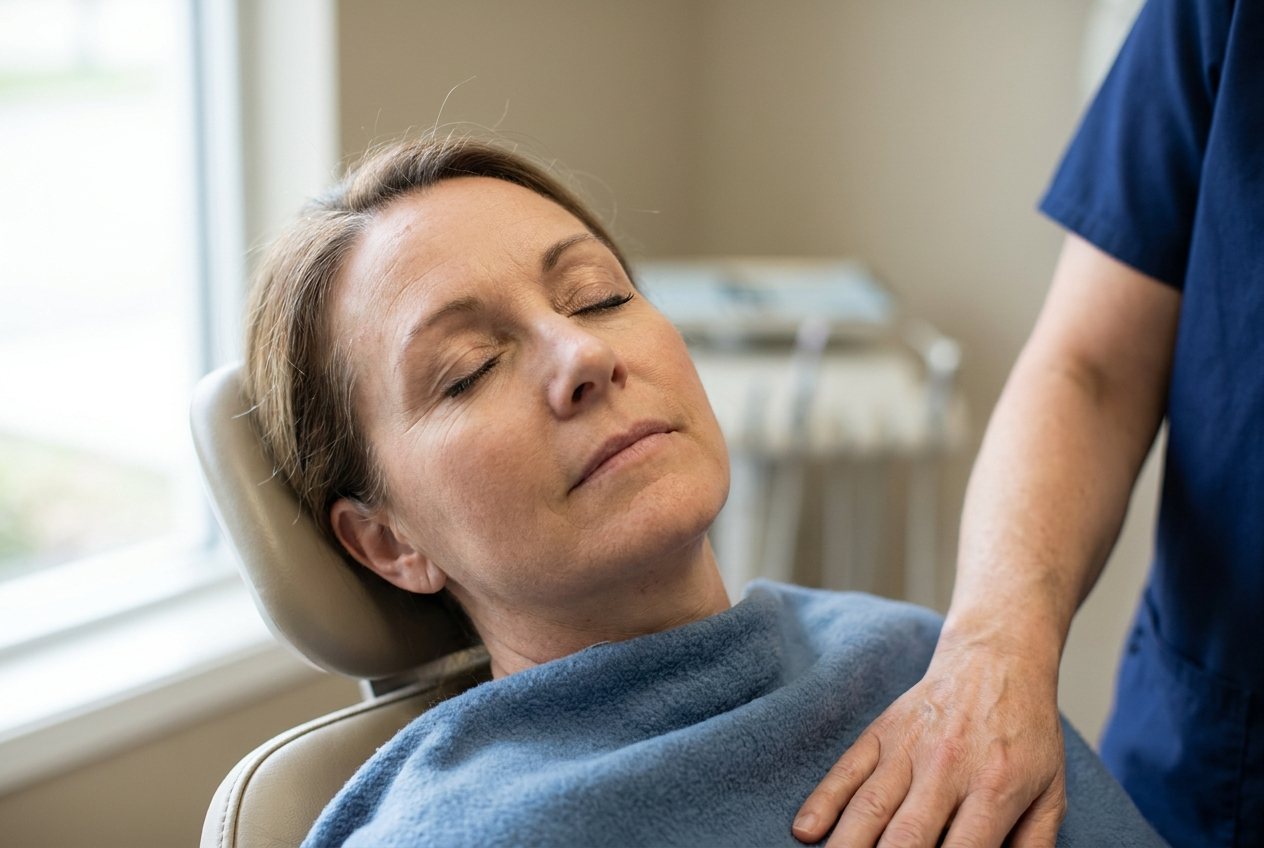
After ablative treatment, expect red, sunburned skin on day one, swelling and possible oozing over the first few days, dry peeling around days 5 to 7, then pink new skin that fades over two to three months. Nonablative treatment compresses this into hours. Your clinic's own schedule overrides any general timeline.
This timeline combines patient guidance from Cleveland Clinic, the American Society of Plastic Surgeons and Memorial Sloan Kettering, mostly for ablative and fractional CO2 treatment. Treatment depth, the area and your skin type all move it.
Two details vary by person. Redness tends to last longer in people with blonde or red hair, according to ASPS. The date you can restart your usual skincare also varies by clinic: in a 2025 expert consensus of 21 dermatologists and plastic surgeons, 76% advised gradually restarting routines that include active ingredients between day 8 and day 42 after fractional CO2 treatment, while 24% preferred a more cautious routine without active ingredients until four to six weeks.
- Day of treatment: skin is red, sensitive and sunburned, and clear drainage or tiny spots of bleeding can occur that day and the next (Cleveland Clinic).
- First few days: redness, swelling, itching or stinging; depending on the treatment, the skin can look raw, ooze yellow fluid and blister (Cleveland Clinic, ASPS).
- Days 5 to 7: skin turns dry and peels, and the new skin looks pink (ASPS).
- One to two weeks: crusts fall off on their own (Memorial Sloan Kettering); Cleveland Clinic says areas generally heal in five to 21 days, depending on the laser and what was treated.
- Two to three months: pinkness gradually lightens, and it can take up to a year to go away (ASPS).
What's the worst day after a CO2 laser?
No source reviewed for this article (Cleveland Clinic, Mayo Clinic, ASPS, Memorial Sloan Kettering) names a single worst day. They place the most symptoms in the first few days: skin that is red, swollen and sensitive and, depending on the treatment, may ooze or blister. Peeling follows around days 5 to 7, and crusts clear in one to two weeks.
What the guidance does describe is a sequence. Cleveland Clinic lists redness, swelling, itching or stinging for a few days, and suggests an extra pillow at night for the first four days and a cool compress during the first day or two. ASPS also suggests an extra pillow and an ice pack during the first day or two. Memorial Sloan Kettering has patients use an ice pack every few hours for the first two to three days.
If your eye area is treated, ASPS says your doctor may prescribe medicine to manage swelling there, so ask what your clinic plans. Pain that is increasing, or not eased by the pain relief your clinic recommended, is a reason to call, as covered below. Do not pick at crusts as they form.
What not to do after laser resurfacing?
Do not pick or scratch crusts, smoke, skip sun protection, or use irritating products before your clinic clears them. Sources also advise skipping saunas, pools and hot tubs for one to two weeks, avoiding activities that cause flushing, and leaving makeup off until the skin is completely healed. Your written aftercare plan comes first.
Clinics do not all give the same routine. Memorial Sloan Kettering tells its patients not to apply any ointment, including over-the-counter or natural products, unless the provider says to. Cleveland Clinic's page describes a twice-daily moisturizing routine until the skin heals. Those are different plans from different clinics. Follow the written instructions from your own clinic, and ask before adding anything, including any medicine.
- Picking or scratching crusts: ASPS says it can cause scarring, and Cleveland Clinic adds that it can lead to infection.
- Smoking: ASPS says tobacco smoke complicates healing, and Cleveland Clinic says smoking slows it.
- Saunas, swimming pools, baths and hot tubs for one to two weeks, and shaving over the treated area (Memorial Sloan Kettering).
- Activities that cause flushing for two weeks, aggressive facial treatments for four weeks, and any irritating product for six weeks (Cleveland Clinic).
- Makeup on the treated area until it is completely healed (Memorial Sloan Kettering).
Why is my pigmentation getting darker after laser?
Two different things can look like darkening. Right after treatment, the area can turn red or blackish and form a crust, which Memorial Sloan Kettering says can happen while the skin heals. Weeks later, post-inflammatory hyperpigmentation (PIH), skin that darkens after being inflamed, can appear. It is more common in darker skin tones, and sun avoidance is a key prevention step.
In a 2011 retrospective study of 490 fractional CO2 treatments at one practice, in patients with Fitzpatrick skin types I to IV, hyperpigmentation followed 1.2% of treatments. Rates run higher in darker skin: a 2025 systematic review of PIH prevention in skin of colour notes prior literature reporting PIH in 10% to 20% of patients with skin of colour who had laser therapy. In a small 2010 study of nine patients with skin types III and IV, PIH after ablative fractional CO2 treatment was seen in 55.5% at one month and 11.1% at six months.
Mayo Clinic says people with brown or Black skin have a higher risk of long-term skin color changes and advises seeking an expert experienced in choosing lasers and settings for a range of skin colors. In the 2025 expert consensus, all panelists recommended conservative management of PIH, with strict sun avoidance and sunscreen over several months. ASPS adds that a physician may recommend a lightening solution. ANEWU's laser page says laser resurfacing is not the right fit for every skin type, so Dr. Payman reviews your skin type and history first.
Why does sun protection matter so much after laser resurfacing?
Treated skin is more sensitive to sun, and sun exposure raises the risk of dark patches and can undo results. ASPS says you may be extra sensitive to sunlight for up to a year and describes sunscreen as a daily step once the skin has healed. Cleveland Clinic and Mayo Clinic both recommend a daily sunscreen with an SPF of at least 30.
The evidence points the same way. In the 2025 expert consensus, all panelists said sun avoidance is key to preventing PIH. A 2025 systematic review of PIH prevention in skin of colour found the most successful measure was sunscreen, alone or combined with other ingredients, though the studies enrolled only Asian patients with skin types III to V.
When to start sunscreen is your clinic's call. ASPS and Cleveland Clinic describe using it after the skin has healed, and Memorial Sloan Kettering says to avoid sun until fully healed and, if you must be outside, to use a mineral sunscreen of SPF 30 or higher or cover up with clothing or a hat. A 2014 split-face trial of 30 patients, 26 of whom completed follow-up, found that a sunscreen with anti-inflammatory ingredients, started on day one, lowered a skin-darkening measure at one week. Earlier use is something to ask about, not to start on your own.
What are the signs of infection or scarring, and when should you call?
Call your clinic for a fever of 101 degrees Fahrenheit (38.3 Celsius) or higher, chills, green or yellowish drainage, increasing pain, increased redness or swelling around the area, or bleeding that does not stop with pressure, according to Memorial Sloan Kettering. Tell them about any new blisters or sores too. Scarring is uncommon, and picking at crusts raises the risk.
In the 2011 retrospective study of 490 fractional CO2 treatments, 13.6% had an adverse event. Bacterial infections occurred after 1.8% of treatments, herpes simplex outbreaks after 2.2% and redness beyond one month after 0.8%, and there were no reports of scarring or hypopigmentation. These figures come from one practice and skin types I to IV, so your own risk may differ. Mayo Clinic says the most common infection is a herpes flare-up, and that ablative lasers carry a slightly higher risk of scarring. ASPS calls scarring rare but possible.
Oozing is where it gets confusing. Cleveland Clinic and ASPS say yellow fluid can ooze and crust early on, while Memorial Sloan Kettering lists green or yellowish drainage as a reason to call. Because the descriptions overlap, do not judge by color alone: call if you are unsure, or if drainage comes with fever, more pain or more redness. Tell your clinic about any history of cold sores before treatment.
When do results show, and how long do they last?
Some people see a difference right away, according to ASPS, and improvement can continue for up to a year. Mayo Clinic says the effect may last for years, but normal aging brings lines back and new sun damage can reverse results. Nonablative results are gradual, and Mayo Clinic says fractional treatments usually need 2 to 4 sessions for noticeable change.
Expect moderate change, not a different face. In the 2025 expert consensus, 94% of the 21 panelists said they expect a moderate improvement after fractional CO2 treatment. Mayo Clinic notes that laser resurfacing cannot fix sagging skin. Treated skin can stay pink for months, so early photos may not show the final look.
ANEWU's laser page says results develop over the following weeks, a follow-up is used to review the change and plan any additional sessions, and nobody is asked to commit to a series before the first session. If you would like to talk through what recovery would look like for your skin, you can schedule a free consultation.
Sources and further reading
- Laser resurfacing Mayo Clinic, page dated October 2024
- Laser Skin Resurfacing Recovery American Society of Plastic Surgeons
- Laser Skin Resurfacing Results American Society of Plastic Surgeons
- Laser Skin Resurfacing Cleveland Clinic, last updated March 2021
- Laser Skin Resurfacing and Other Rejuvenation Treatments Johns Hopkins Medicine
- Laser Resurfacing American Society for Dermatologic Surgery
- Skin Care Before and After Fractionated Carbon Dioxide Laser Treatment Memorial Sloan Kettering Cancer Center, updated August 2025
- Expert Consensus on Clinical Recommendations for Fractional Ablative CO2 Laser, in Facial Skin Rejuvenation Treatment Lasers in Surgery and Medicine, 2025
- Prevention of Post-Inflammatory Hyperpigmentation in Skin of Colour: A Systematic Review Australasian Journal of Dermatology, 2025
- The adverse events of deep fractional CO2: a retrospective study of 490 treatments in 374 patients Lasers in Surgery and Medicine, 2011
- Fractional ablative carbon dioxide laser resurfacing for skin rejuvenation and acne scars in Asians Lasers in Surgery and Medicine, 2010
- The use of sunscreen starting on the first day after ablative fractional skin resurfacing Journal of the European Academy of Dermatology and Venereology, 2014
This article is general information about dental and facial procedures, not a diagnosis or medical advice. Every jaw and every health history is different, so the right plan for you can only be set after an exam and imaging with a surgeon.